
Norguang is an operator-led B2B procurement and supply platform
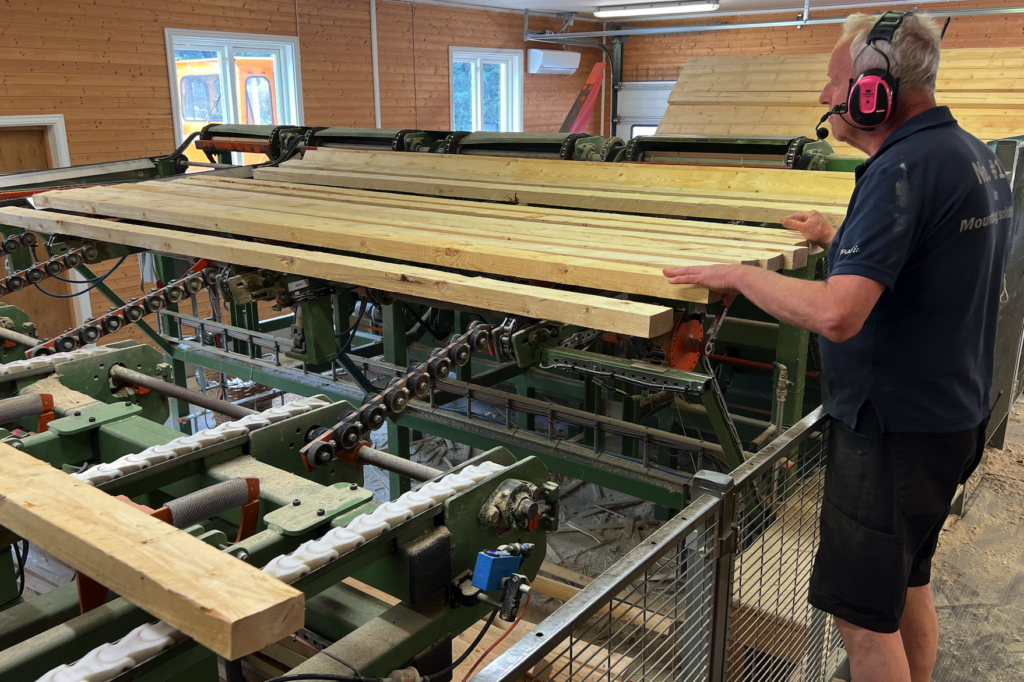
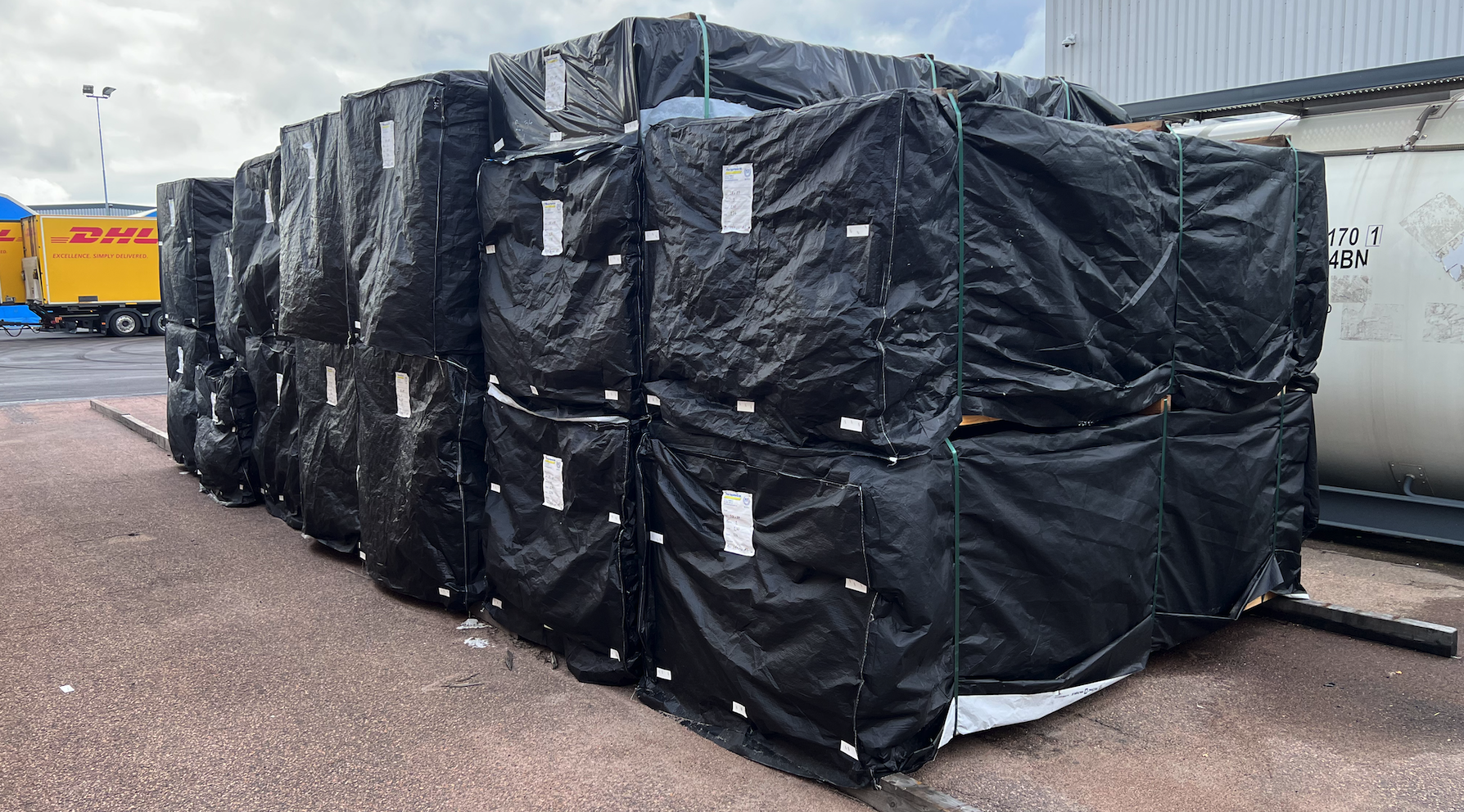
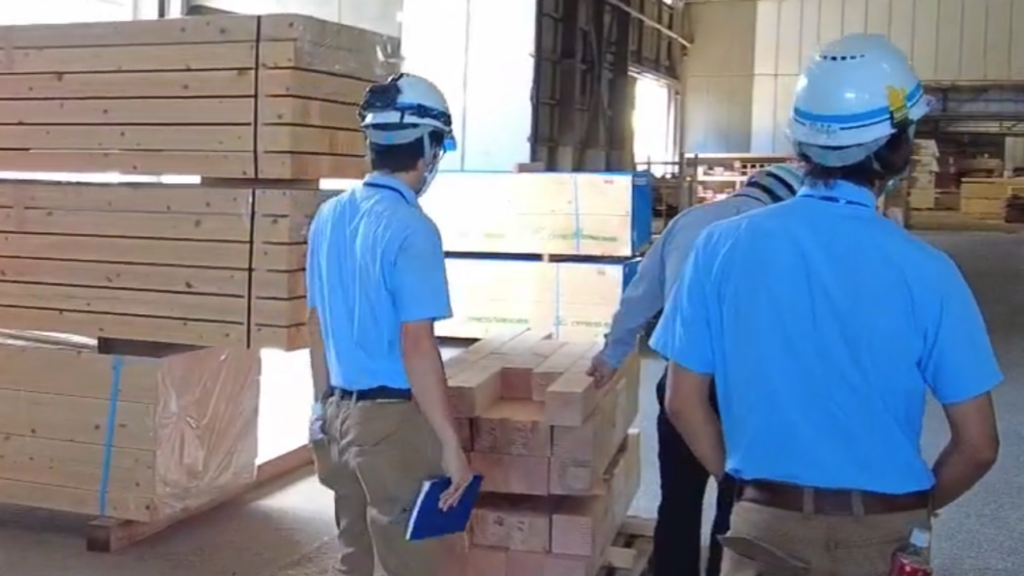
Norguang connects professional buyers in Asia with selected timber producers and manufacturing capabilities in Northern Europe. The company works from the buyer’s commercial and production requirements backwards defining the required product, configuring the appropriate production route and managing the practical supply chain through to delivery in the destination market.
Its objective is to reduce the gap between manufacturing capability and real market demand. Rather than asking buyers to adapt to a fixed mill catalogue, Norguang develops the product specification around the intended application, required dimensions, lengths, grade, processing, quality level, volume and delivery conditions, and then places the assignment with the production source best suited to those requirements.
This model brings product definition, manufacturing coordination, quality control, logistics and market-side commercial execution into one managed structure. It gives professional buyers a clearer route from requirement to warehouse-level receipt while giving selected producers access to commercially defined demand rather than undifferentiated export opportunities. Norguang is therefore not simply a timber trader but an operating layer connecting production capability with practical B2B procurement.
For the buyer, the transaction is not the import of timber from an overseas mill but a domestic B2B purchase of imported material already brought into the destination market by Norguang. We arrange the product, production, international supply chain and market-side handling, and deliver the agreed material to the customer’s warehouse under locally compliant commercial, invoicing and tax arrangements.
What We Build and Supply
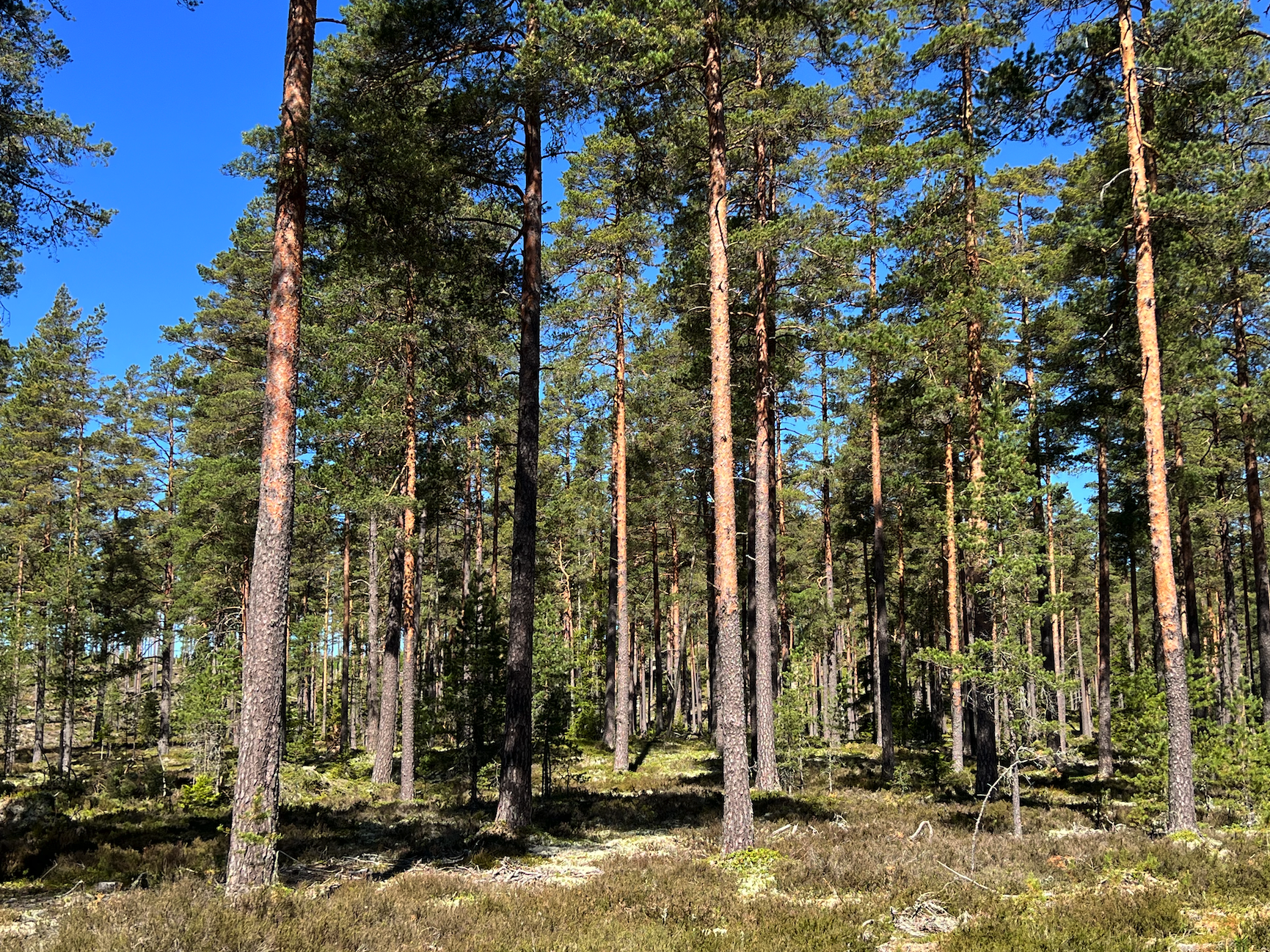
Norguang works with a broad Northern European coniferous timber base and develops the finished supply around the buyer’s intended application rather than around a fixed mill catalogue.
Core species include:
- Spruce (Picea spp.)
- Pine (Pinus spp.)
- Larch (Larix spp.)
- Fir (Abies spp.)
- Other selected Northern European coniferous species
Depending on the requirement, this raw-material base can be developed into structural lumber, dimensional and planed products, custom sections and profiles, decking and exterior products, cladding, flooring, interior finishing materials and other processed wood products.
The relevant product is defined by its intended use. Species, dimensions, lengths, grade, moisture condition, machining, surface quality, treatment, packaging, commercial volume and delivery format are selected and combined within the Product Specification.
Norguang therefore does not simply source and resell standard mill output. We identify the material and manufacturing capability best suited to the buyer’s requirement and configure the production and supply route around it.
Where repeated demand is established, individual specifications can develop into regular supply programmes and recognisable market-facing product families.
How the Model Works

Norguang’s operating model begins with the buyer’s actual production or commercial requirement, not with a fixed mill catalogue. The starting point is the intended application, species or material preference, dimensions, lengths, grade, processing, quality level, expected volume and delivery point. These requirements form the basis for a commercially and technically workable supply solution.
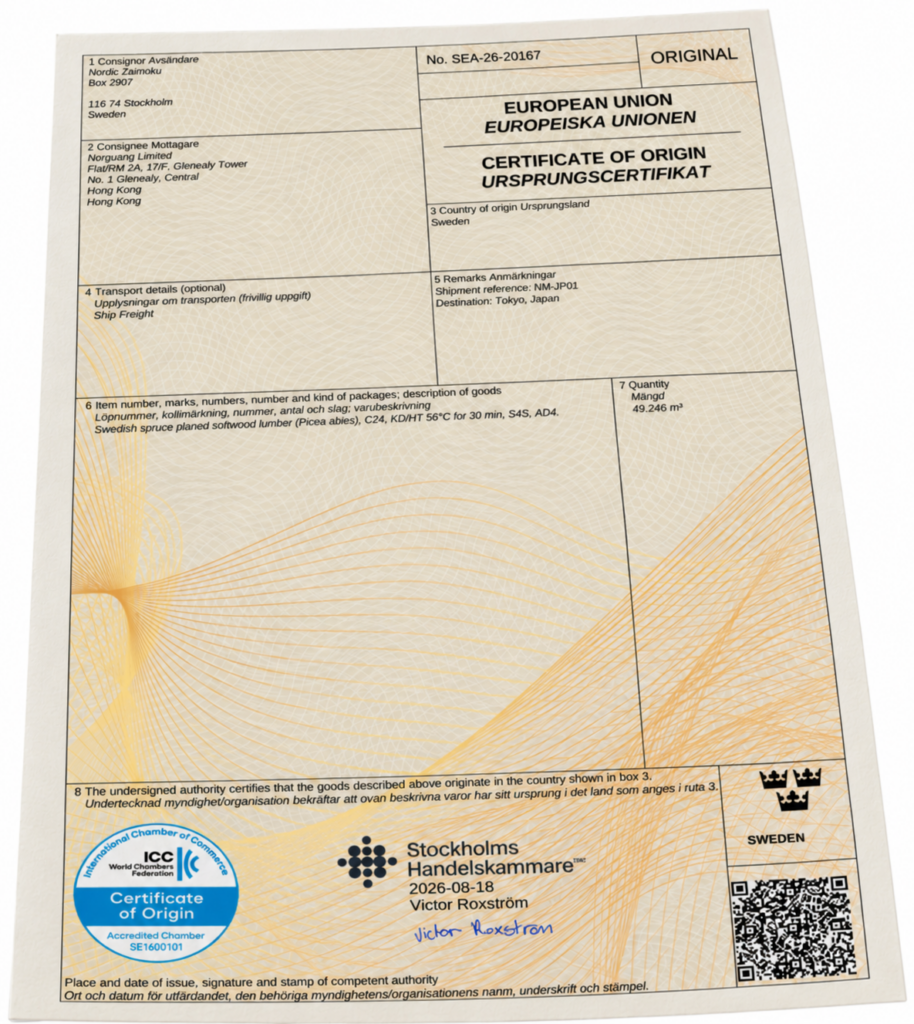
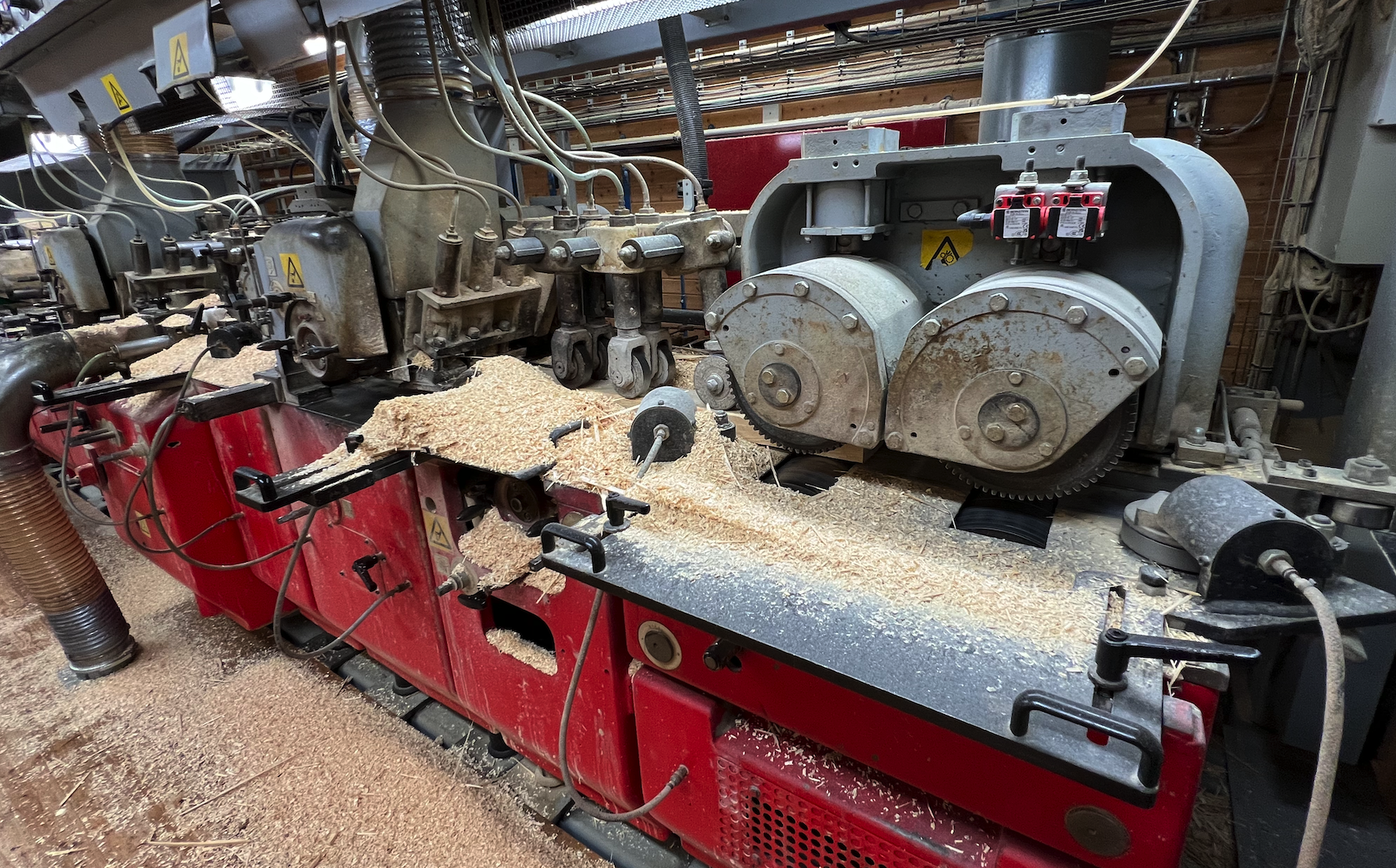
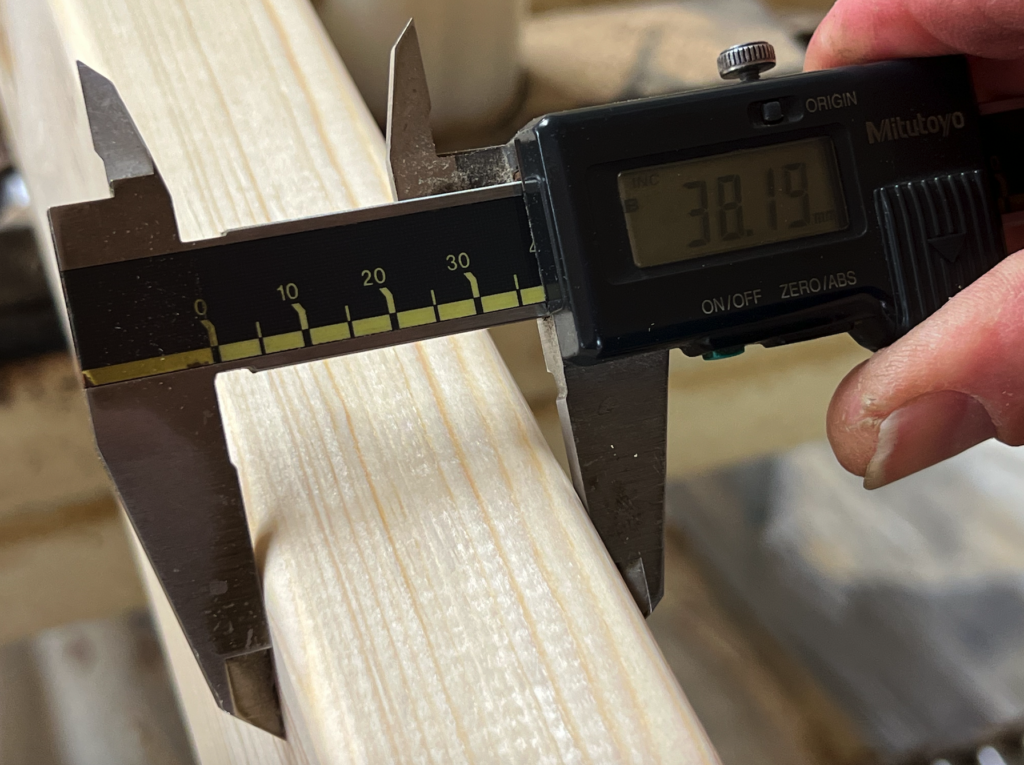
Norguang then converts the buyer’s initial requirements into a defined Product Specification and determines the most suitable sourcing and production route. Depending on the assignment, this may involve selecting the appropriate raw-material base, manufacturing partner, processing sequence, quality-control points, lot size and logistics structure. The objective is to place each order where the combination of material, equipment, production flexibility and commercial conditions best fits the agreed specification.
Once the specification and commercial terms are agreed, Norguang coordinates production, quality control, packing, international logistics and destination-market handling as one managed supply chain. The buyer does not need to coordinate individual mills, freight operators, customs-related procedures or domestic delivery separately.
Where the destination-market structure allows, the international supply chain can be converted into a domestic B2B purchase of imported material. Norguang manages the upstream production and cross-border execution and supplies the agreed product within the destination market under locally compliant commercial, invoicing and tax arrangements with delivery to the customer’s warehouse.
The model is designed to develop beyond a single transaction. An initial commercial lot provides the basis for verifying product fit, quality, lead time, logistics and delivered economics. Confirmed results can then be translated into an adjusted specification, repeat supply programme and, where demand justifies it, broader volumes, dimensions, species and product categories.
Service and Operating Scope
Norguang’s operating scope extends from the buyer’s initial requirement to the practical delivery of the finished product. The company coordinates the commercial, technical and execution framework needed to turn a defined demand into a workable supply programme from product specification and production planning to quality control, international logistics, destination-market handling and warehouse delivery.
On the product and production side, Norguang develops the Product Specification around the intended application, dimensions, lengths, grade, processing, quality level, volume and delivery requirements. It then selects the appropriate raw-material source and manufacturing capability, coordinates production and processing stages, establishes quality-control points and manages conformity with the agreed specification.
On the supply side, Norguang manages the practical route from the selected producer to the destination market. This may include production scheduling, packing and documentation, export logistics, international freight, market-side handling, inventory positioning, inspection or sorting where required, and final domestic delivery to the customer’s warehouse.
On the commercial side, the objective is to simplify procurement for the professional buyer. Where the destination-market structure allows, Norguang can supply imported material through a domestic B2B transaction rather than requiring the buyer to organize the international import operation independently. The customer purchases the agreed product under locally compliant invoicing and taxation while Norguang manages the upstream international supply chain.
The scope is designed for both initial commercial lots and long-term repeat supply. Once product fit, quality, lead time, logistics and delivered economics are confirmed in practice, the same operating structure can be expanded into regular supply programmes, larger volumes and a broader range of timber and processed wood products.
Quality as an Operating Principle
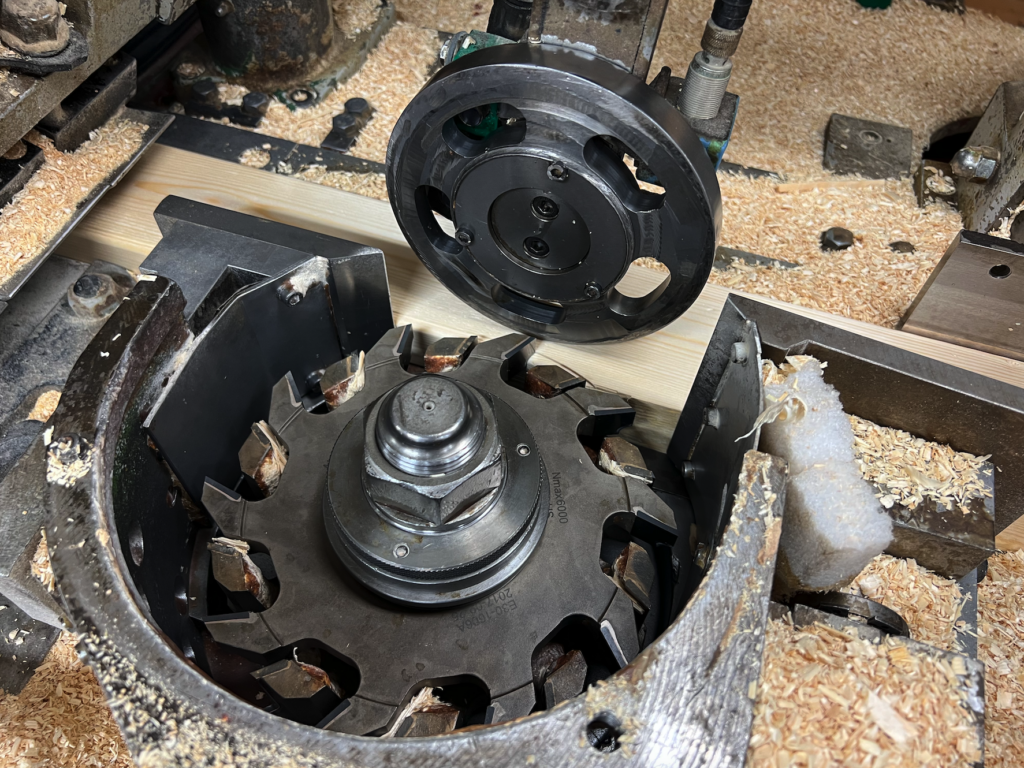
Quality is not treated by Norguang as a general claim or marketing label but as an operating principle built into each agreed specification and supply programme. It is defined through measurable requirements and becomes part of supply consistency, commercial credibility and repeatability.
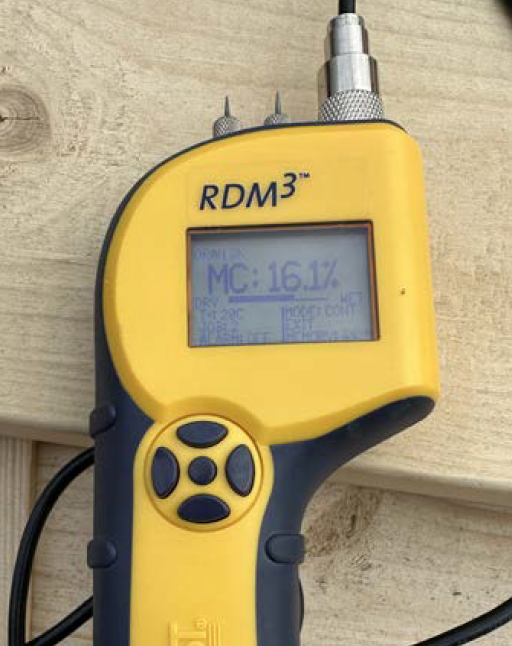
Depending on the product and intended use, quality parameters may include moisture content, dimensional tolerances, straightness, surface condition, grading, machining, batch structure, pre-shipment inspection and packaging requirements. These criteria are agreed before production and controlled against the Product Specification.
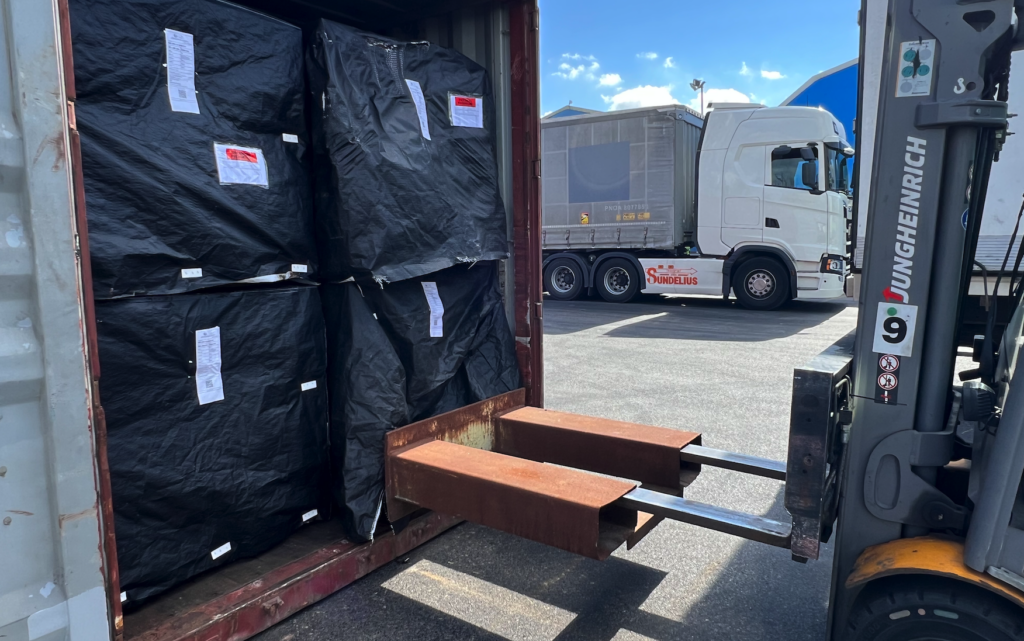
Quality control is not limited to manufacturing. It may continue through packing, loading, logistics, batch identification and receiving-side verification allowing the supplied material to remain traceable and commercially consistent through to customer acceptance.
Where required, the buyer may also personally monitor key stages of the supply process. Norguang can arrange agreed inspection points, production updates, photographic records and, where practical, buyer attendance at selected manufacturing, quality-control or pre-shipment stages.
Why This Model Works
The buyer does not need to become an expert in international timber sourcing. The starting point is simply the material required for the buyer’s own business as application, species, dimensions, lengths, grade, processing, quality level, quantity and delivery point. Norguang takes those requirements and turns them into a workable Product Specification and supply route.
From there, Norguang manages the complexity behind the purchase: identifying the appropriate production source, aligning specifications, coordinating manufacturing and quality control, arranging documentation, certificates, international logistics and destination-market handling, and organizing delivery to the customer’s warehouse. The buyer does not need to negotiate separately with multiple mills, compare incompatible factory specifications or coordinate each participant in the supply chain.
The commercial objective is to make imported timber procurement feel as straightforward as buying from a domestic wholesale lumber supplier. The customer places an order against an agreed specification and receives the required material at the agreed destination, quantity, quality and delivery schedule while Norguang manages the international supply chain behind it.
What remains visible to the buyer is therefore simple: define the requirement, approve the specification and commercial terms, and receive the material. Everything between the production source and the customer’s warehouse is managed as one coordinated supply process.
Start With a Requirement or a Capability
Most productive discussions with Norguang begin with one of two things: a buyer requirement or a production capability.
If you are a buyer, tell us what you need to produce, build or procure — the application, approximate dimensions, species preference, quality expectations, volume and destination. A completed technical specification is not required, we can help develop it.
If you are a producer, tell us what your raw-material base, equipment and manufacturing capabilities allow you to make. We can evaluate where those capabilities may correspond to defined professional demand in Asian markets.
Norguang’s role is to determine whether a workable commercial fit exists between the requirement, the material, the production capability and the supply route and, where it does, to turn that fit into a practical supply programme.
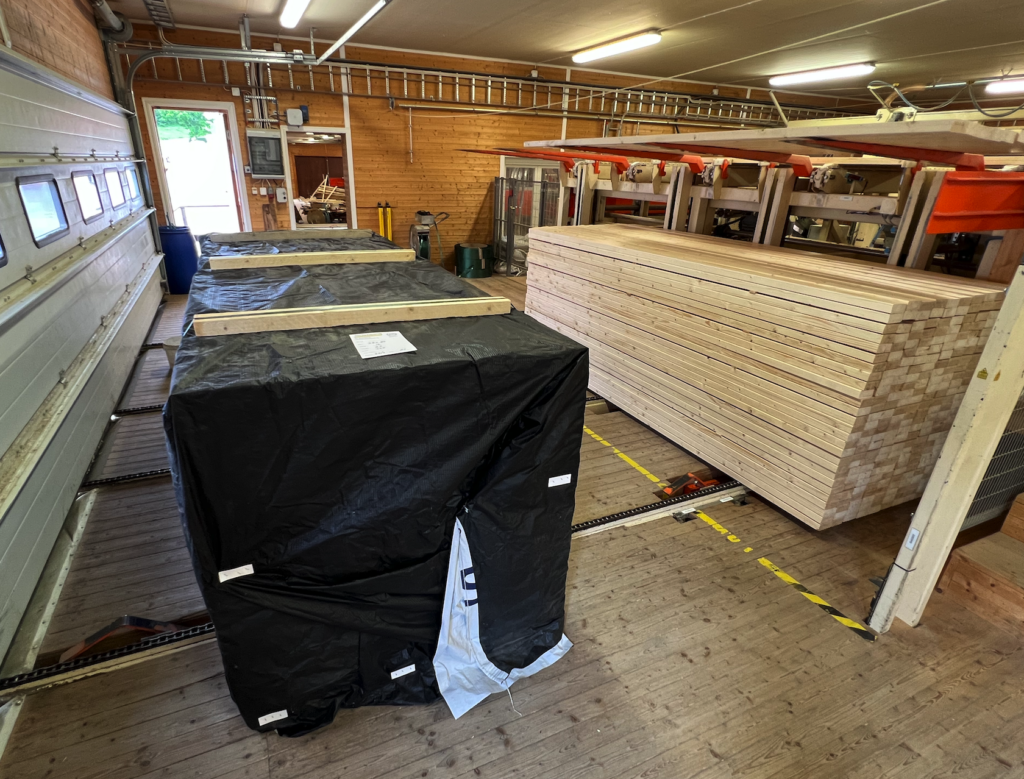
Buyers bring the requirement. Producers bring the capability. Norguang builds the route between them.