
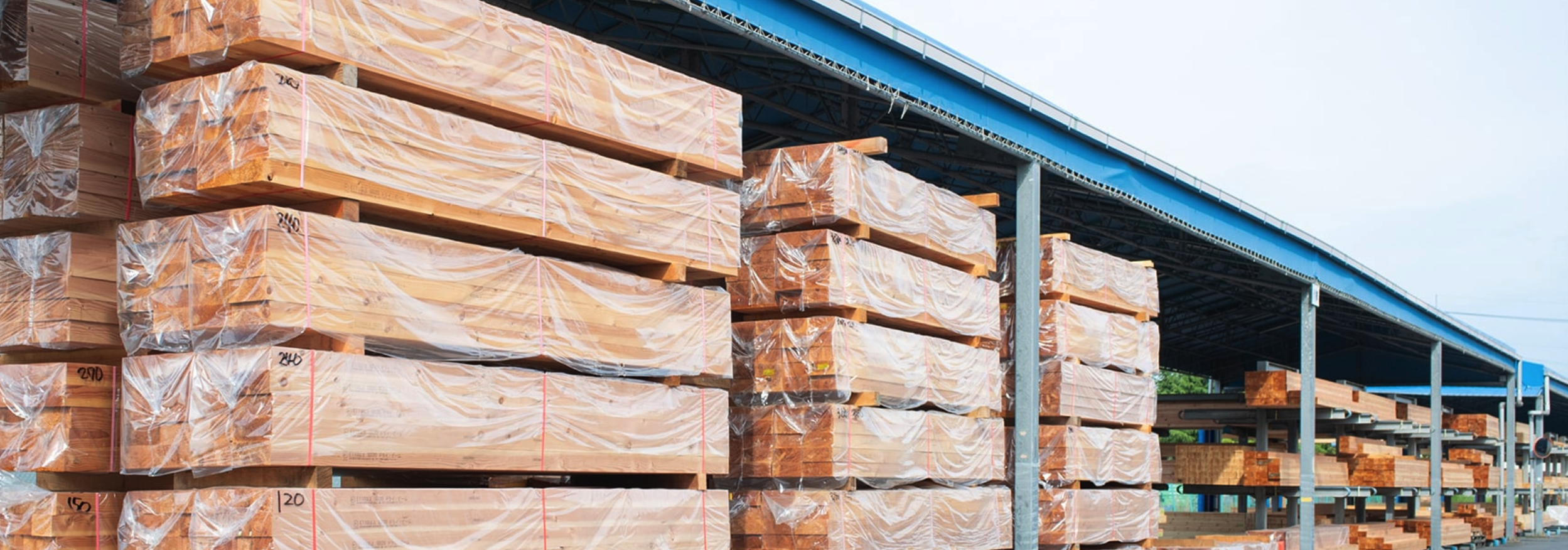
Norguang works with buyers who require more than a generic lumber offer. The company provides Scandinavian coniferous product lines in a format built around specification clarity, batch traceability, disciplined execution and practical fit with the buyer’s intended market, conversion or distribution model.
For the buyer, this means not only access to the material itself, but a more structured supply format that is easier to assess, easier to compare and easier to integrate into actual procurement and downstream operations. The focus is not on loose supply, but on commercially defined product lines supported by clearer specifications, stronger product identity and a more controlled route from production to delivery.
If needed, cooperation may begin from an opening order, a product review or a target-use requirement, and develop into a repeat supply program once the line, specification and operating logic have been aligned with the buyer’s business environment.
What Buyers Source Through Norguang
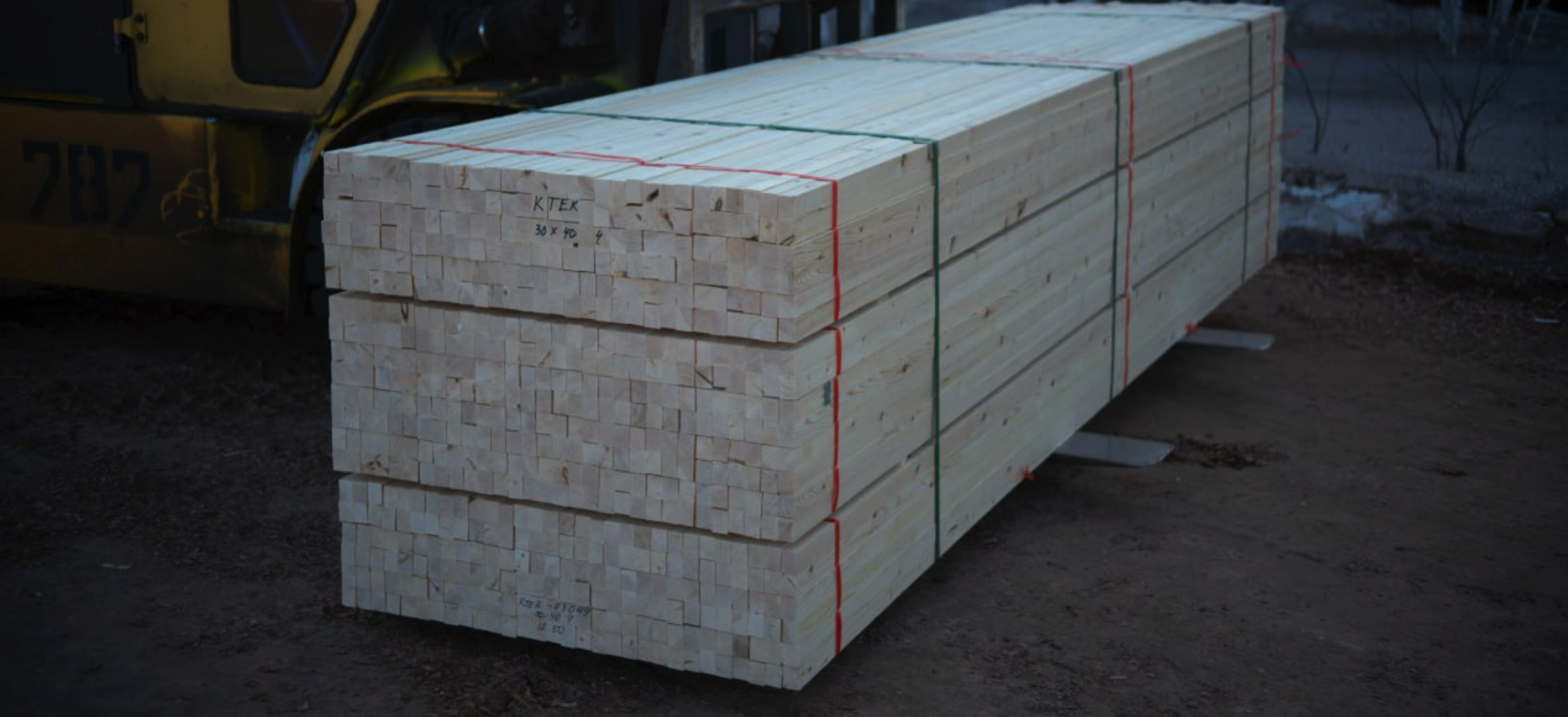
Buyers source through Norguang not only coniferous wood material as such, but product lines structured for actual commercial use. These lines are defined not only by species or nominal dimensions, but by their intended market role, specification logic, processing condition and fit with the buyer’s conversion, distribution or end-use environment.
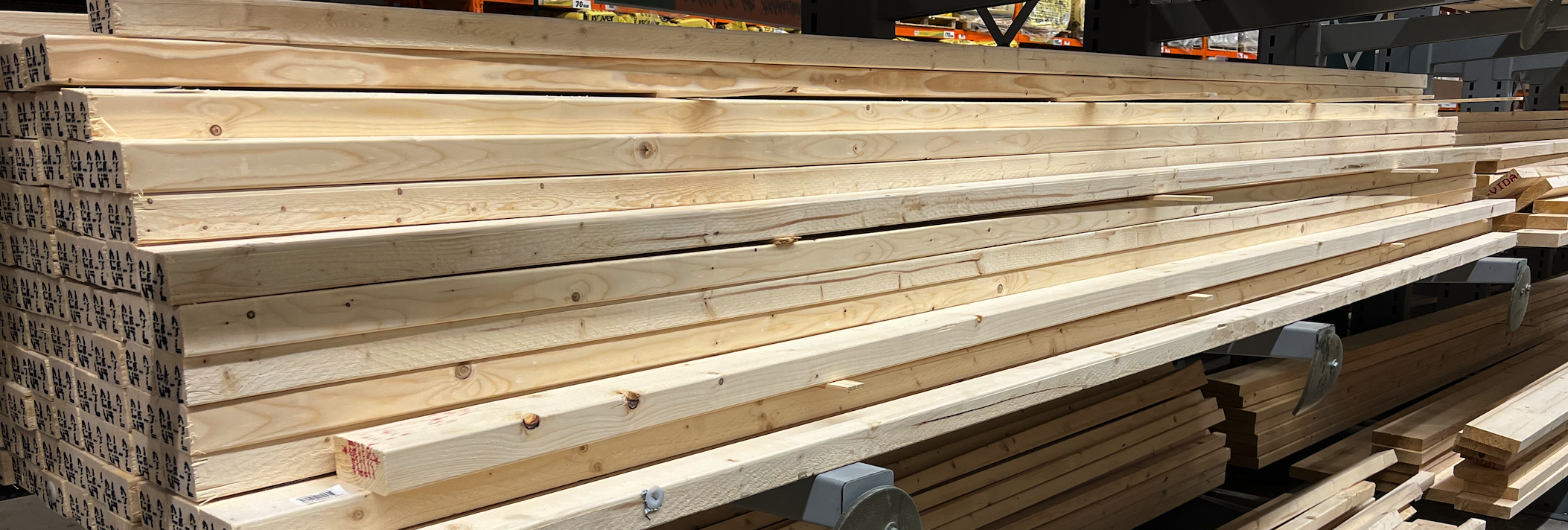
Core coniferous species may include spruce, pine, larch, fir, cedar, hemlock, Douglas fir and other coniferous categories, depending on the intended application and product line. What matters for the buyer, however, is not species listing alone, but how the material is prepared, identified and supplied for the relevant commercial or downstream context.
This means that the buyer does not receive an undifferentiated lumber offer, but a more clearly structured supply proposition. Depending on the line, this may involve defined dimensions, moisture targets, surfacing condition, grading logic, labeling structure, batch identity and documentation support shaped around the intended use of the product in the destination market.
For the buyer, the value lies not only in access to Scandinavian coniferous material, but in access to a supply format that is easier to assess, easier to compare and easier to integrate into real procurement, resale, conversion or project planning. The offer is therefore built not around loose availability alone, but around product clarity, commercial usability and stronger alignment with the operating reality of the buyer’s business.
How Supply Works
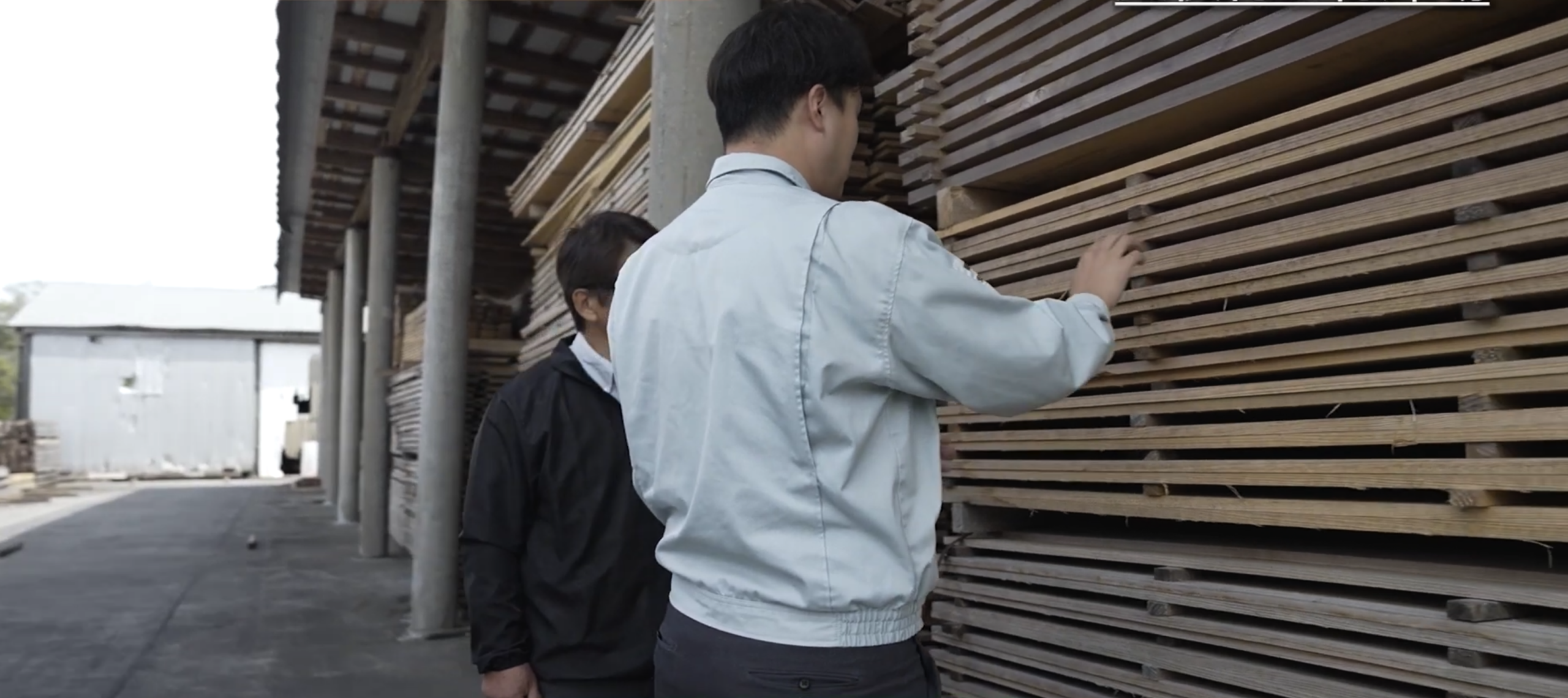
Supply through Norguang begins not with undifferentiated availability, but with alignment between the product line and the buyer’s actual business environment. The process starts with identifying the intended market role of the product, the relevant use case and the practical requirements that shape how the line should be specified, packed, documented and delivered.
From there, the supply format is matched to the buyer’s operating logic. This may include the way the buyer procures, stores, converts, distributes or resells the material, as well as which specifications, batch structure and delivery format are most workable in that setting. The objective is not simply to quote material, but to define a supply line that can be absorbed into the buyer’s existing system with less friction.
Once the product line and operating requirements are aligned, Norguang coordinates the route from manufacturing to destination delivery. This may include production alignment, batch preparation and adaptation of the shipment lot to the buyer’s specific packaging, labeling and receiving requirements, followed by pre-loading checks, logistics, import execution and delivery to the buyer’s warehouse or designated receiving point.
For the buyer, this creates a clearer route from product review to practical supply execution. Instead of dealing with a fragmented chain of production, export, shipping and import handling separately, the buyer receives a more integrated supply model built for actual commercial use in the destination market.
Delivery, Import and Warehouse Logic
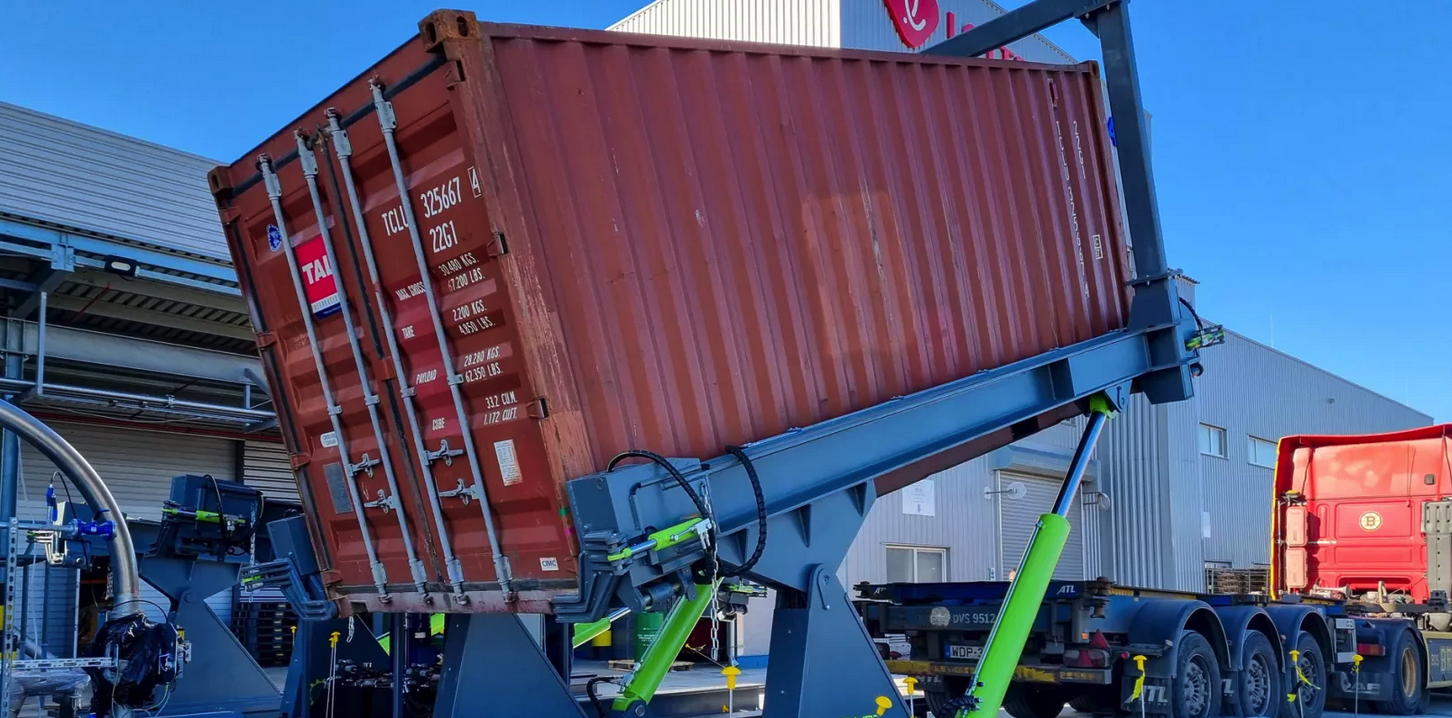
For many buyers, the value of supply is determined not only by the product itself, but by how reliably and predictably it reaches the point of receipt. Norguang therefore works not only with the material, but with the practical delivery logic required to bring the line into the destination market in a usable and commercially workable form.
Depending on the program and destination, this may include logistics coordination, import handling, customs-related execution, release into free circulation and delivery to the buyer’s warehouse or designated receiving point. The objective is to reduce fragmentation in the supply chain and provide the buyer with a more integrated route from shipment to receipt.
This delivery model is particularly relevant where the buyer requires not only imported material, but a landed supply format that can be received, checked and integrated into ongoing operations with less internal handling complexity. In that sense, the role of Norguang does not stop at dispatch. It extends to the practical completion of the supply chain on the destination side.
If needed, the delivery logic may also be aligned with the buyer’s internal receiving procedures, packaging preferences, labeling requirements and warehouse intake practices, so that the shipment arrives in a form that is easier to verify, handle and absorb operationally.

Order Formats and Supply Continuity
Supply through Norguang may begin in different formats, depending on the buyer’s stage of evaluation and operational needs. In some cases, cooperation may start with an opening order, a market test or a first shipment linked to a defined product review. In other cases, the objective may already be a longer-term supply arrangement built around repeat commercial use.
This flexibility allows the buyer to move from initial assessment to program-based procurement without changing the underlying logic of the line. Once the product, specification and operating requirements have been aligned, the supply format can be developed further into a more regular and repeatable structure.
For the buyer, continuity is not only a matter of volume, but of repeatability. What matters is the ability to receive the line again with comparable specifications, packaging logic, batch discipline and delivery structure, so that procurement becomes easier to plan and internal operations become easier to manage.
In that sense, Norguang is positioned not only for one-off shipments, but for supply relationships that require clearer structure, better comparability and stronger operating consistency over time.
Quality, Clarity and Commercial Control
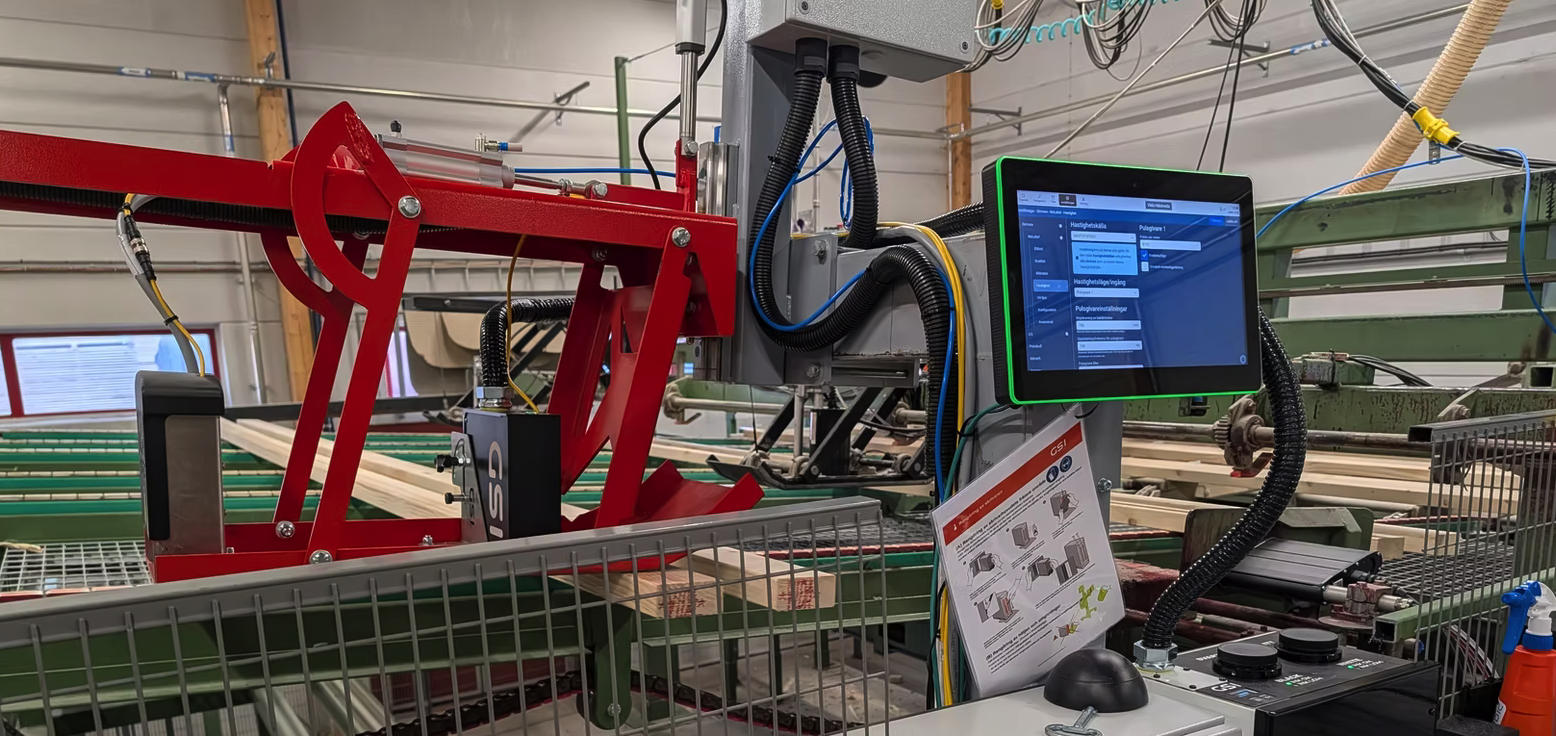
For many buyers, confidence in supply depends not only on the material itself, but on how clearly the product is defined and how consistently it can be controlled through the supply chain. Norguang therefore treats quality, specification discipline and product clarity as part of the commercial structure of the line, not as secondary or decorative features.
Depending on the product line and market context, this may include moisture targets, dimensional tolerances, straightness limits, surface condition, grading logic, structured labeling, batch identity and documentation linked to the intended use of the material. The objective is to make the line easier to assess, easier to compare and easier to align with the buyer’s internal procurement, conversion or resale logic.
Control is not limited to the manufacturing stage alone. It may extend through batch preparation, pre-loading verification, shipment identification, import-side handling and receiving-side checks, so that the buyer receives not only the material, but a more traceable and commercially intelligible supply format.
For the buyer, this creates stronger comparability between shipments, better downstream planning and more reliable alignment between the supplied line and the intended operating environment. In that sense, product clarity is not treated as an additional feature. It is treated as part of the product itself.
Discuss Buyer Requirements
If you are evaluating a coniferous product line for import, distribution, conversion or end-use supply, Norguang welcomes a practical discussion. The starting point may be a target species group, a specific application, a packaging or labeling requirement, a route-to-market question or a supply format that needs to fit an existing business system.
Discussion may begin at different stages from a product review or first shipment to a more regular supply arrangement built around repeat commercial use. The objective remains the same: to define a line that is commercially clear, operationally workable and better aligned with the buyer’s actual procurement and downstream environment. Norguang approaches this work with a view to building long-term, dependable and trust-based business relationships.