
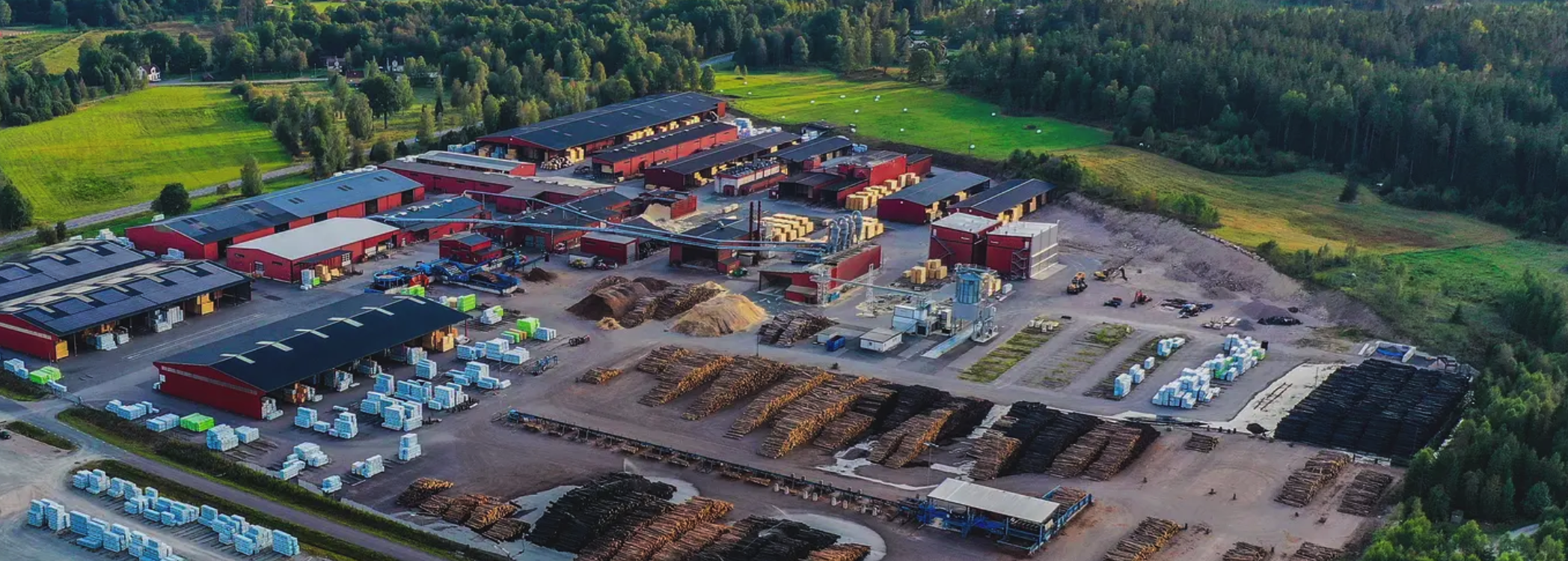
Norguang works with producers who see export not as a one-off outlet for available stock, but as a structured opportunity for long-term market development. The company is not looking to disrupt stable manufacturing operations for speculative export. It is looking to work with producers whose existing capabilities can be aligned intelligently and gradually with defined product lines, export-facing presentation and new market demand.
For many producers, the main concern is not whether they can manufacture the product, but whether export requirements will create unnecessary friction, production disruption or downstream claims risk. Norguang approaches cooperation with that concern in mind. The objective is not to impose unfamiliar manufacturing logic, but to structure what can already be produced into a clearer, more commercially usable line with stronger market potential.
In practice, this also means that Norguang can assume a substantial share of the market-facing and structuring functions that a producer would otherwise need to build internally from product definition, presentation logic and export-facing standards to marketing programs, route-to-market structure and commercial development. This makes it possible to release a significant part of organizational and administrative effort and remain focused on manufacturing tasks.
This model is particularly relevant for small and medium-sized producers that combine manufacturing discipline with flexibility and ambition. Where the alignment is right, gradual adaptation can be integrated into the production cycle without disproportionate cost, while opening the way to branded product lines, stronger market positioning and longer-term export growth.
Why This Model Can Work for the Right Producer
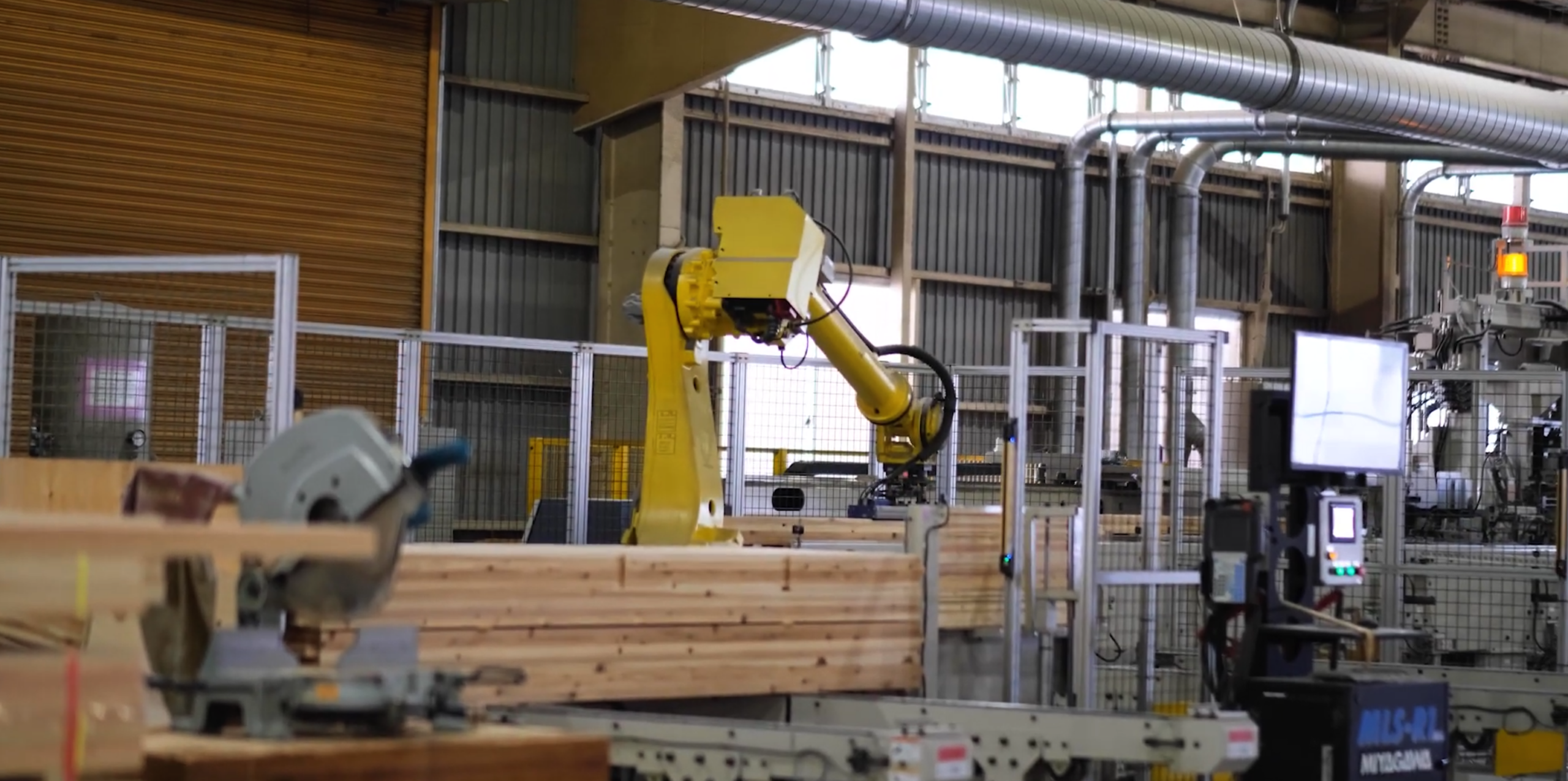
For the right producer, this model is not about disrupting a stable manufacturing base for uncertain export experiments. It is about using existing production capability in a more structured and market-directed way, where adaptation can be introduced gradually, intelligently and with clear commercial purpose.
In many cases, what is required is not a radical rebuild of the production line, but a more disciplined way of defining, presenting and aligning what can already be produced. Much of the specification logic involved in this model is not foreign to a well-run factory. The difference is that these elements are brought together into a clearer export-facing structure that can support market entry, product identity and repeat commercial use.
This is also where Norguang can reduce a significant part of the burden that would otherwise fall on the producer internally. Instead of building separate functions for product structuring, export-facing presentation, market development, marketing logic and commercial route-to-market planning, the producer can rely on Norguang as an external operating and market-development layer while remaining focused on manufacturing tasks.
Where the alignment is right, this creates room not only for controlled export participation, but for longer-term growth. A product line that proves itself in the market can develop into a repeatable program under a defined brand or trade identity, giving the producer a stronger and potentially unique role within that line as demand scales.
What We Actually Look For
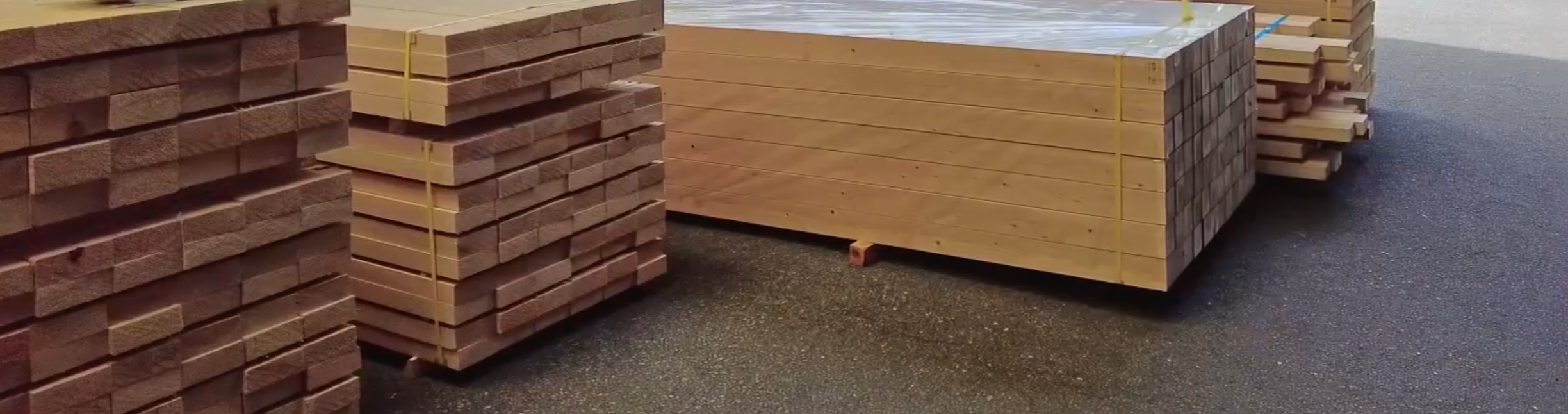
What matters to Norguang is not only whether a producer has capacity, but whether that capacity can support a coherent and commercially usable product line. The company is interested in producers who can work with repeatable dimensions, stable product logic, disciplined presentation and a level of communication that allows the line to be defined clearly for export-facing market use.
This does not mean that every producer must already operate with a fully developed export structure. What matters more is the presence of production discipline, practical responsiveness and a willingness to align existing capability with clearer product definition, packaging logic, labeling requirements and market-oriented presentation.
For this reason, the model is often better suited to small and medium-sized producers than to very large industrial systems. A smaller or mid-sized factory is often more capable of integrating targeted adaptations intelligently and of responding to market-defined line requirements without the inertia that can make larger systems resistant to change.
Norguang therefore looks for producers who combine manufacturing reliability with flexibility, clarity and growth ambition. Where those qualities are present, even a relatively modest production base can become the foundation of a strong export-facing line with meaningful long-term potential.
Product Discipline Without Disruptive Rebuild
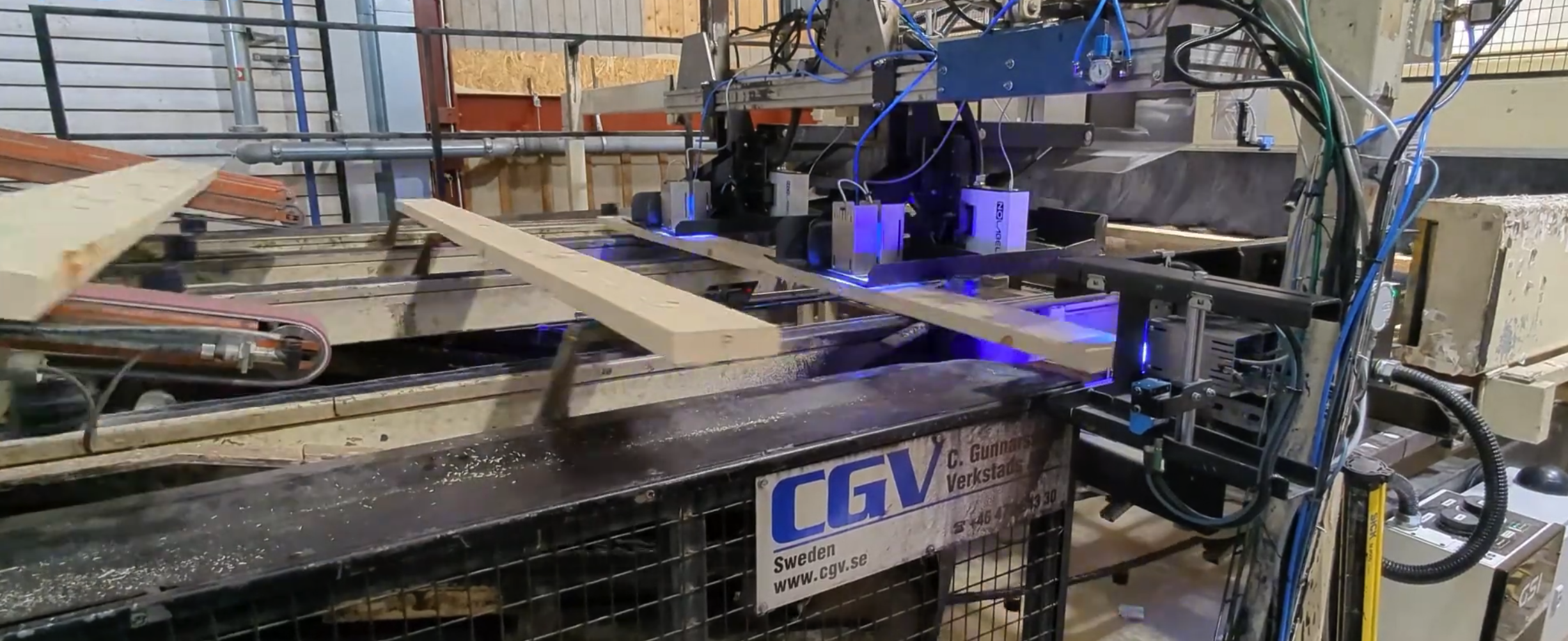
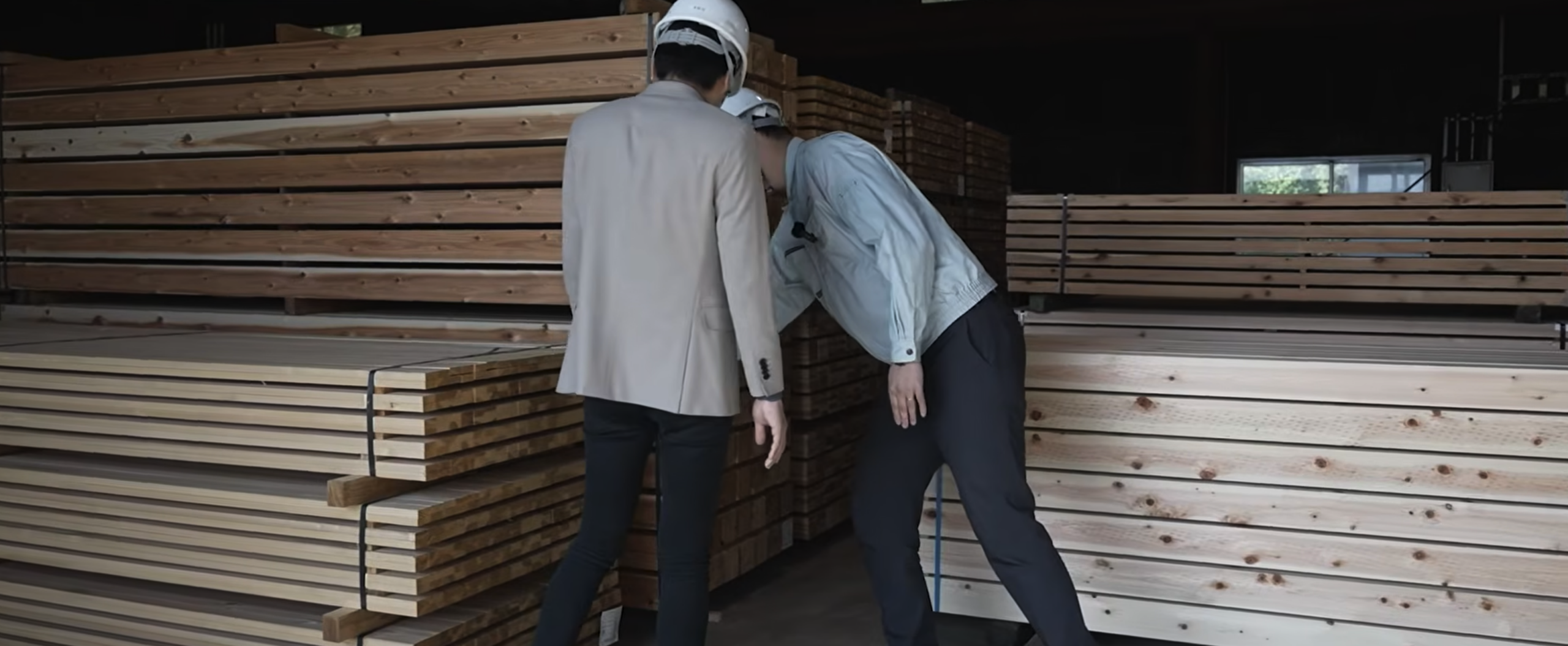
Product discipline in this model is not intended to force a producer into unnecessary disruption or costly reconfiguration. In many cases, the relevant requirements can be integrated through clearer definition, more consistent presentation and better alignment of what is already manufacturable within the existing production cycle.
This may involve specification clarity, dimensional repeatability, sorting logic, moisture discipline, packaging consistency, labeling structure or batch presentation. For a well-run producer, these elements are often not unfamiliar in themselves. What changes is not the nature of production, but the way the line is organized and communicated for export-facing commercial use.
The objective is therefore not to rebuild the factory around a speculative demand scenario, but to introduce adjustments where they make sense and where they can be absorbed without disproportionate cost or operational instability. A gradual and intelligent approach is central to the model.
Where this discipline is established, the result is not only better product presentation, but a line that is easier to position, easier to compare and easier to scale commercially. In that sense, product discipline is not treated as an administrative burden. It is treated as the foundation of market usability.
How Cooperation Is Integrated into the Production Cycle
Cooperation with Norguang is not intended to sit outside the producer’s operating reality as a separate export burden. The objective is to integrate the relevant adjustments into the existing production cycle in a way that is manageable, phased and commercially justified.
This means that line development can begin from what the producer already manufactures well, and evolve through targeted refinements rather than disruptive change. Where needed, packaging logic, labeling structure, batch presentation or specification discipline can be aligned step by step, allowing the producer to test and absorb the model without destabilizing core operations.
In this structure, Norguang assumes a substantial share of the market-facing and organizational workload that would otherwise require internal expansion. This may include product structuring, export-facing presentation, marketing logic, route-to-market planning and commercial development, allowing the producer to remain focused on manufacturing execution.
The result is a cooperation model in which production remains at the center, while the external commercial layer is built and managed around it. For the producer, this reduces friction, limits unnecessary administrative growth and creates a more workable path from factory capability to export-ready market participation.
Growth, Exclusivity and Long-Term Potential
Where a product line proves itself in the market, the commercial upside for the producer can extend well beyond a one-off export order. A line that gains stable traction under a defined brand or trade identity may develop into a repeatable and scalable program with stronger long-term value than irregular spot export.
In such cases, the producer is not merely supplying available mill output, but participating in the manufacturing base of a market-facing line developed for a specific segment and channel environment. This creates the possibility of a stronger and potentially unique role within that line as demand grows and the market position becomes more established.
For the right producer, this is especially relevant where flexibility, manufacturing discipline and growth ambition are already present. A factory that can integrate a line intelligently at an early stage may, over time, become the exclusive or primary production base behind a commercially successful branded program.
This is why Norguang’s model is aimed not at scale for its own sake, but at structured growth with the right production partner. Where the fit is right and the line performs, the producer gains not only export participation, but access to longer-term market expansion, stronger commercial positioning and a more valuable role in the development of the line itself.
Discuss Production Cooperation
If you believe your production base can support a more structured export-facing product line, Norguang welcomes a practical discussion. The starting point does not need to be a fully developed export program. It may begin from an existing product category, a stable manufacturing capability, a packaging or presentation question, or a production setup that could be aligned more effectively with new market demand.
The purpose of that discussion is not to impose a theoretical model on the factory, but to determine where real alignment is possible between manufacturing capability, product discipline and market opportunity. Where the fit is right, cooperation can develop gradually and in a way that remains manageable within the producer’s existing operating cycle.
Norguang is prepared to engage deeply with the producer’s manufacturing and operating setup where this supports the development of a stronger line. In such cases, cooperation may help identify new product, process or technological solutions that make the production base more adaptable, more market-ready and better positioned for future growth.
The long-term objective is not simply to place occasional export orders, but to build a commercially stronger and more durable production role within a defined market-facing line. We know what markets need.