
Norguang is an operator-led B2B market and supply platform
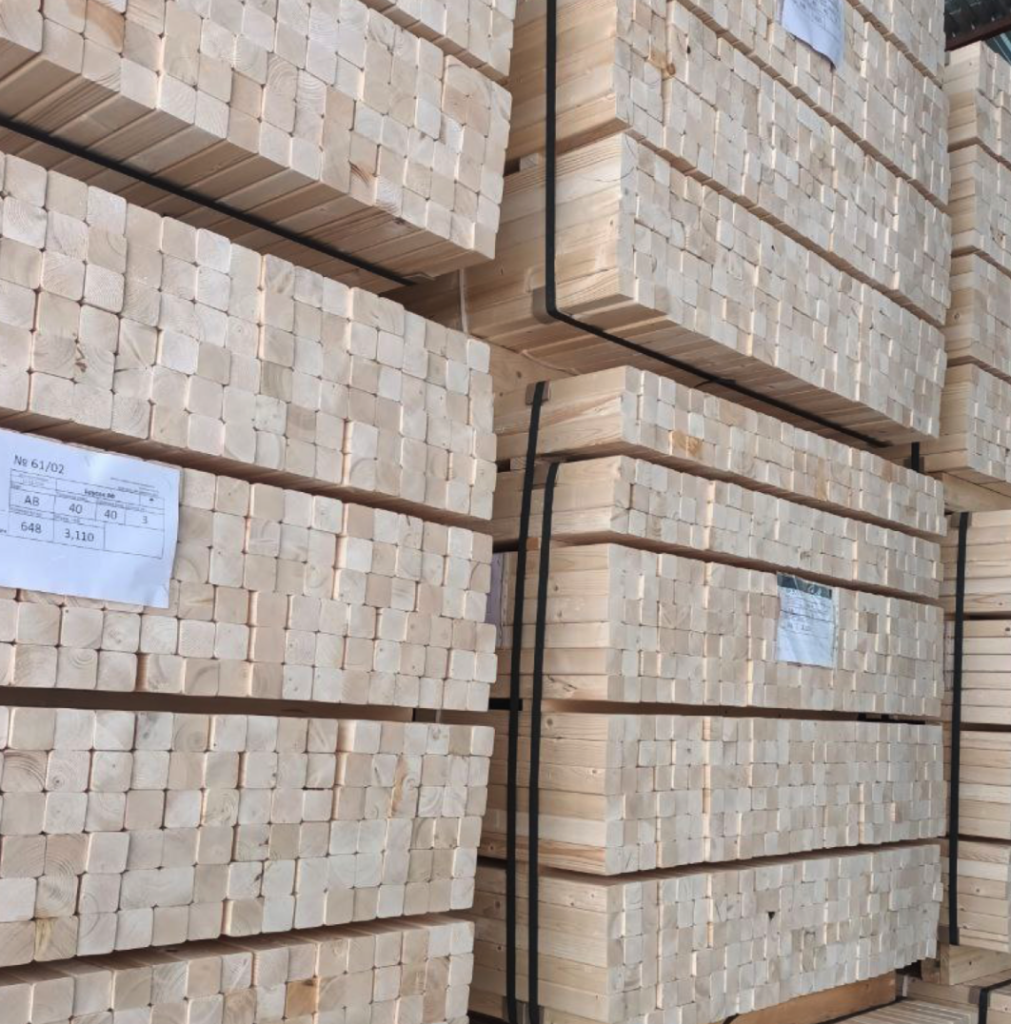
The company develops proprietary product lines under controlled market-facing brands, organizes their production through selected manufacturing partners and manages their practical route to target markets through analysis of business needs, channel development, import execution and delivery to the customer’s warehouse.
Its objective is to turn Nordic timber resources into more clearly defined and more commercially usable product lines within export markets. Its task is to reduce the gap between production output and market requirements by creating a stronger connection between product identity, technical framing and practical supply logic.
This model establishes a clearer commercial basis for market entry and a more structured route from production to warehouse-level receipt. It creates a business position with stronger control over product definition, market fit and supply execution. This is not simply timber trade. It is entry into a more advanced and more defensible trading model.
What We Build and Supply
Norguang specializes in the development of B2B product lines based on coniferous wood species.
Core coniferous species include:
- Spruce (Picea spp.)
- Pine (Pinus spp.)
- Larch (Larix spp.)
- Fir (Abies spp.)
- Cedar
- Hemlock (Tsuga spp.)
- Douglas fir (Pseudotsuga menziesii)
- Other coniferous species
Rather than simply sourcing and reselling standard factory output, the company builds market-oriented product lines under controlled brands, adapted to specific segments, sales channels and downstream-use requirements.
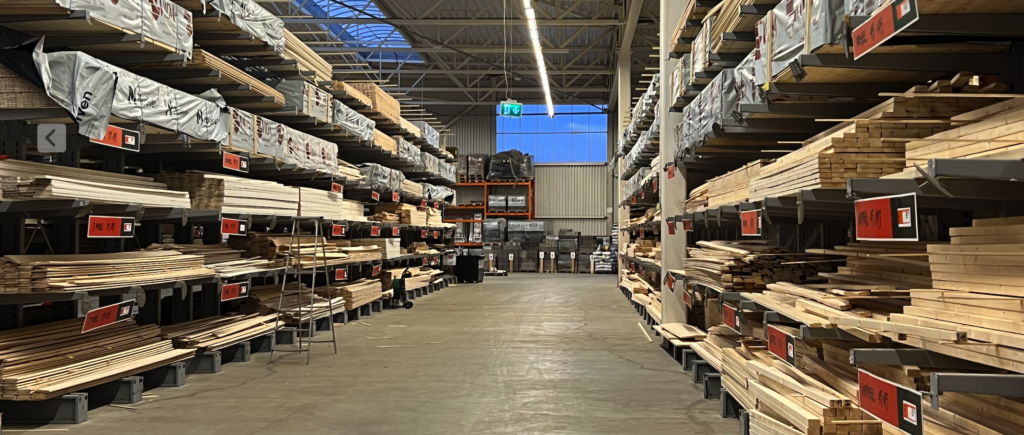
These product lines are brought to market not as undifferentiated commodity supply, but as commercially structured offers shaped around specific procurement models, distribution formats and practical end-use logic. For customers, this means not only access to the material itself, but also a clearer product position, a more market-ready supply format and a more manageable model for procurement, import handling and delivery.


How the Model Works


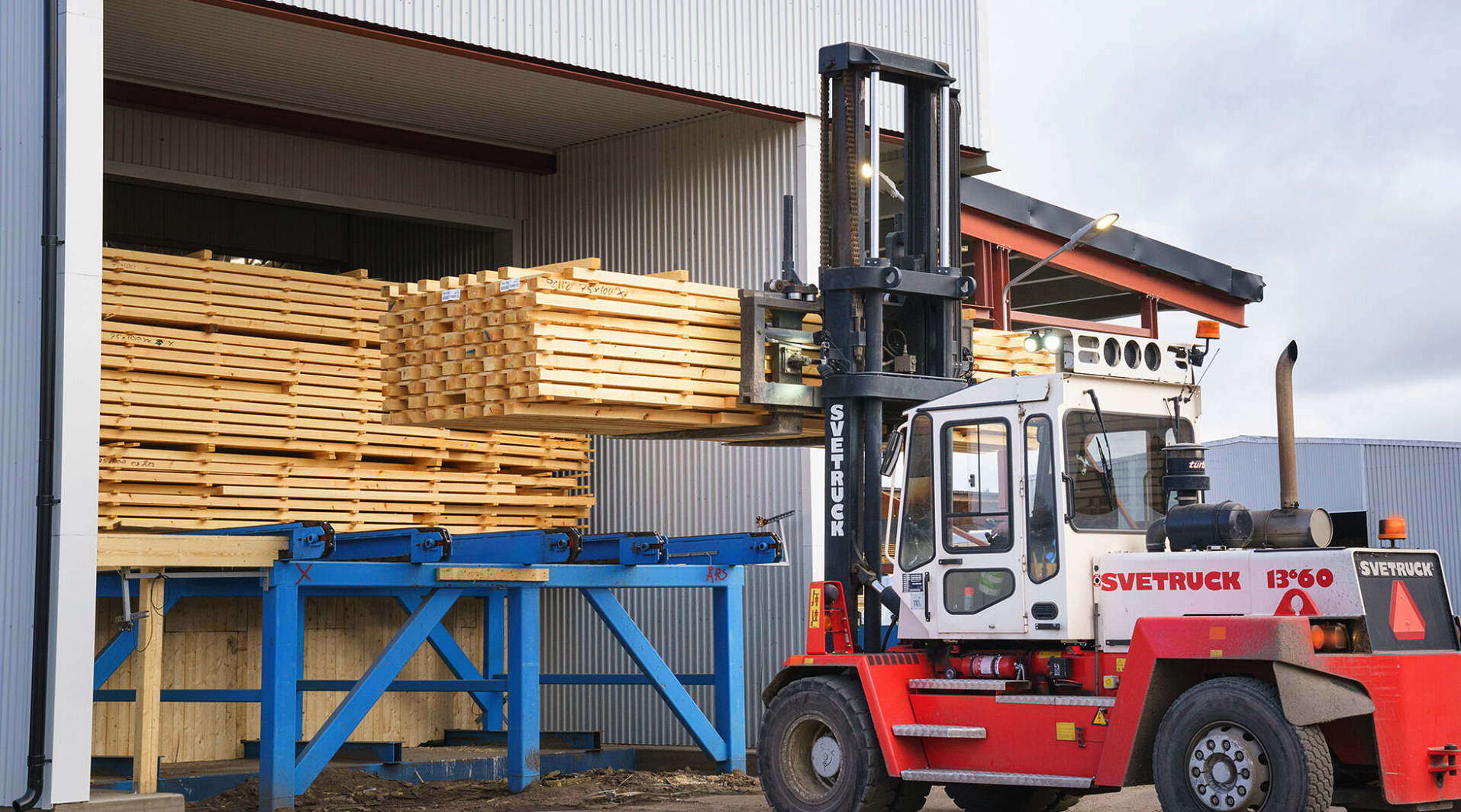
Norguang works by connecting product development, market targeting and supply execution into one operating model. The process begins with identifying where a product line can realistically fit — by segment, channel and business type — and continues through production alignment, route-to-market structuring, import execution and delivery to the customer’s warehouse.
In practice, this means that Norguang does not approach market entry through undifferentiated supply. The company first analyses the operating logic of the target customer, distributor or sales channel including how the business buys, processes, distributes or resells the product, what specifications are commercially relevant and which supply format is most workable in that environment.
Based on that analysis, Norguang defines or adapts the relevant product line under its controlled brand structure and aligns it with the selected manufacturing partner. This allows the company to move from generic factory output to a commercially shaped offer designed for a specific market role, channel requirement and end-use logic.
From there, Norguang manages the practical route to market through channel development, commercial coordination, logistics, import clearance and warehouse delivery. The result is not merely a shipped product, but a market-ready supply format positioned for actual commercial use in the destination market.
This operating model allows Norguang to connect manufacturing capability, market fit and landed execution within one coordinated structure. For partners and customers, this creates a clearer route from product definition to actual market placement, with stronger control over how the line is positioned, supplied and delivered.
Service and Operating Scope
Norguang’s operating scope covers not only the product itself, but the practical commercial and execution framework required to bring a line into the market in a usable form. Depending on the product, market and channel, this may include line definition, manufacturing alignment, channel structuring, logistics, import execution and delivery to the customer’s warehouse.
On the product side, this may include defining or refining the product line, aligning it with the intended market role, segment and downstream-use logic, and organizing the production basis through the selected manufacturing partner. This is where Norguang moves the offer from generic factory output to a structured line prepared for a specific commercial function.
On the commercial side, this may include identifying the relevant customer profile, evaluating channel fit, structuring the route to market and shaping the offer around the practical buying, distribution or resale logic of the target business environment.
On the execution side, Norguang may coordinate logistics, import handling, customs-related execution, release into free circulation and delivery to the customer’s warehouse. Depending on the program, the company may operate both with opening orders and with longer-term supply arrangements structured for repeat commercial use.
Quality as an Operating Principle

Quality is not treated by Norguang as a general claim or marketing label, but as an operating principle built into the line itself. Where a product is brought to market under a controlled brand structure, quality becomes part of commercial credibility, supply consistency and repeatability in the destination market.
This is especially important in a model where product lines are developed for specific segments, channels and end-use environments. In that context, quality is not limited to the material alone, but extends to how consistently the line corresponds to the intended specification, market role and commercial expectation.
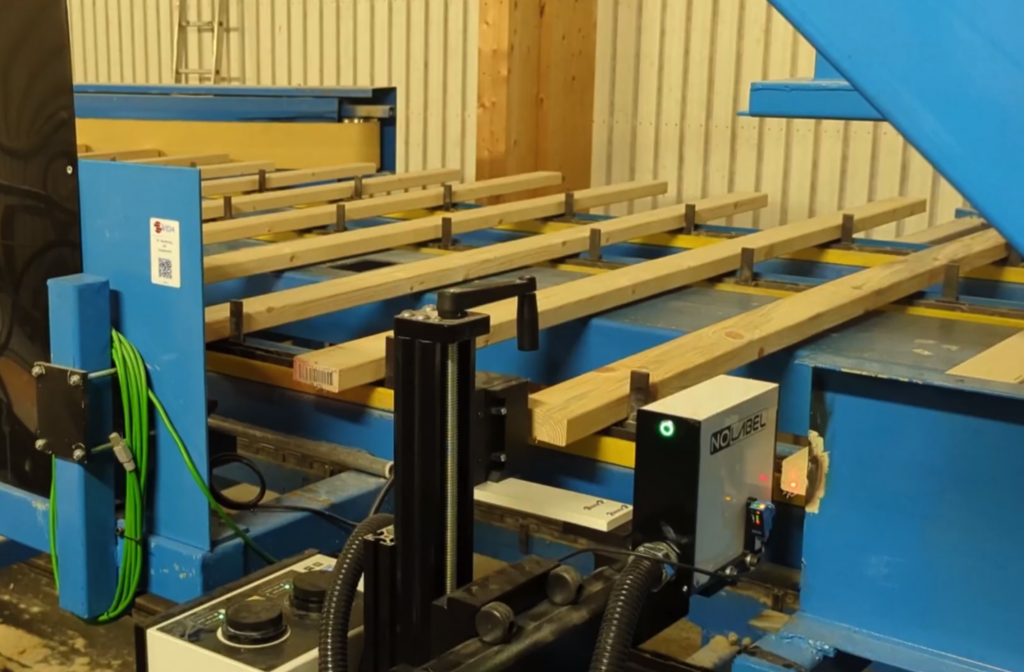
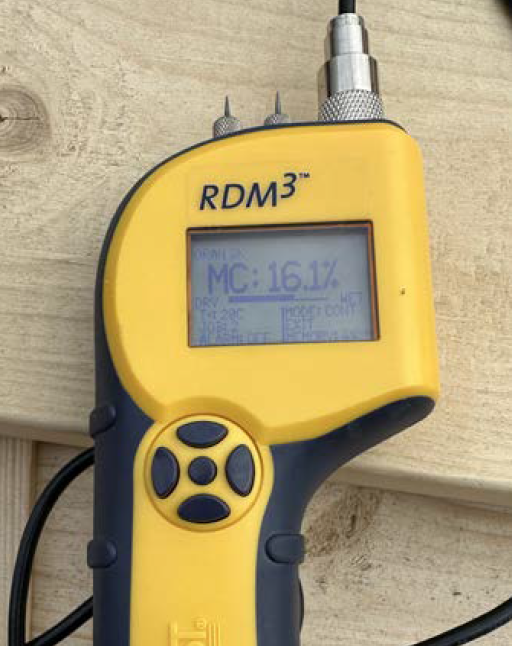
The parameters that define product quality are established through specification discipline. Depending on the line and market context, this may include moisture targets, dimensional tolerances, straightness limits, surface treatment, batch logic, pre-inspection, pre-loading verification and structured labeling, including bilingual tags and barcode- or QR-linked batch information.
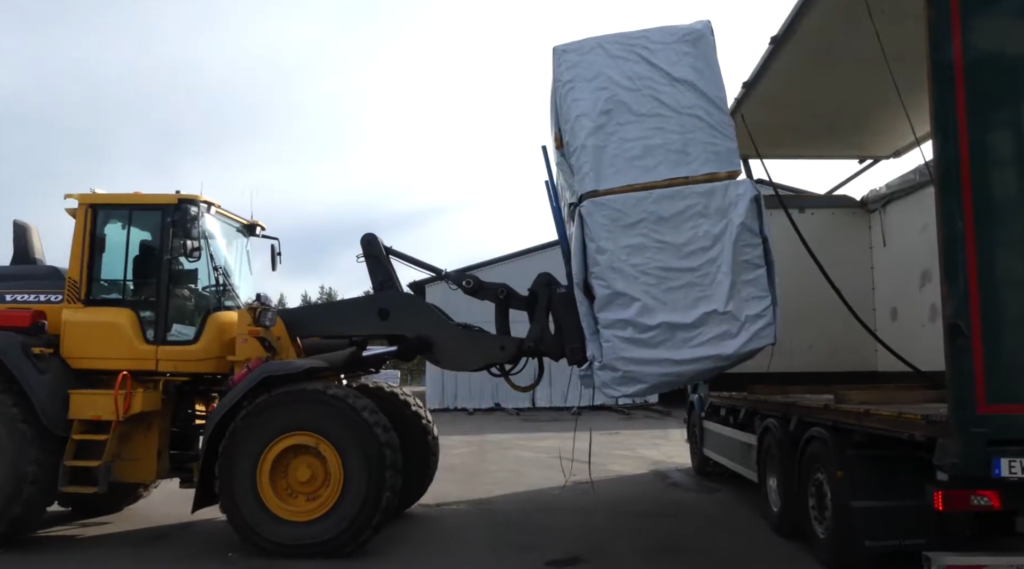
Quality control is therefore not confined to the manufacturing stage alone. It may extend across preparation, loading, logistics, batch identification and receiving-side verification, so that the line remains traceable and commercially consistent through to delivery and customer acceptance.
This approach supports better comparability, easier downstream planning and stronger alignment between the manufacturing side and the buyer’s conversion or distribution process. In that sense, product clarity is not treated as a secondary feature. It is treated as part of the product itself. Where relevant, coded pack references may also connect the physical product directly to batch identity, customer-specific requirements and downstream documentation.
Why This Model Works
This model works because market entry in industrial wood products depends not only on supply availability, but on how clearly the line is defined, how well it fits the target business environment and how reliably it can be carried through to practical delivery and commercial use.
In many cases, manufacturers are able to produce the material, but that alone does not make the offer market-ready. The missing layer is often found between production and demand — in product definition, segment fit, channel logic, commercial structure and execution discipline. This is the layer Norguang is built to organize.
Discuss Cooperation
If you are looking to bring a coniferous product line into a defined market environment, or to structure an existing manufacturing capability into a clearer commercial offer, Norguang welcomes a practical discussion. The starting point may be a product category, a target segment, a channel opportunity, a supply requirement or a production base that needs a stronger route to market.
Discussion may begin at different stages — from an opening order or market test to a longer-term line program or channel-based supply arrangement. The focus remains the same: to shape a product line that is commercially clear, operationally workable and better aligned with the realities of the target market.