
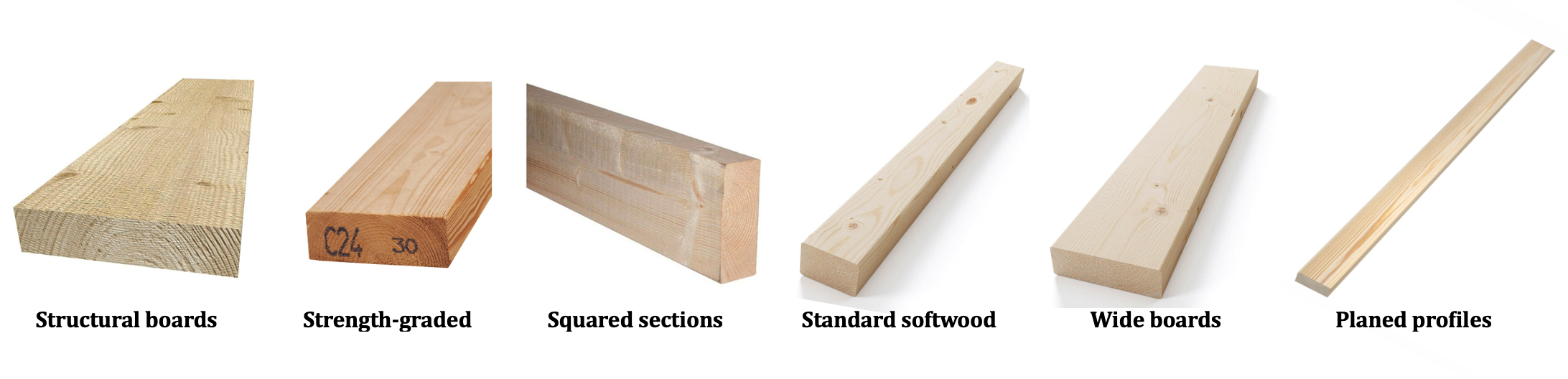
Norguang organizes Scandinavian softwood into clearly defined product lines and supply programs tailored to different applications, processing stages and market requirements.
Instead of presenting products as a simple category list, Norguang structures each product within a broader commercial framework based on its functional use, level of processing, quality profile and supply logic. This approach supports consistent and market-relevant product programs across different industries, customer groups and export channels.
From structural and general building materials to joinery, finishing, packaging and further-processing stock, this page shows how Norguang translates internally defined products into organized product lines for scalable and export-oriented supply.
Functional Product Lines
Norguang structures its product lines according to functional end use rather than as a simple assortment list. Each line brings together products intended for a specific application logic, processing stage and market use. For clarity, these lines may include different timber forms such as boards, beams, battens, blanks or profiled elements, but their place within the structure is defined primarily not by form alone, but by functional purpose, level of processing and market application.
Structural Products
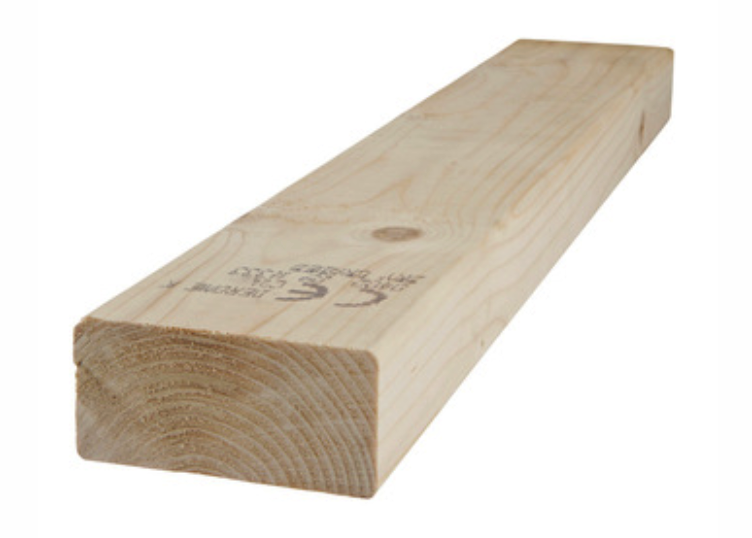
A product line for load-bearing, framing and other structural applications where the material serves as part of a structural or supporting system. This line is defined by dimensional stability, compliance with structural requirements, suitability for load-bearing and frame-based use and, where applicable, alignment with the required strength class. It typically includes structural boards, beams, framing sections and other timber formats intended for structural use, usually in sawn-edged form and at the level of preparation required by the relevant grading, geometry and end-use criteria.
General Construction Products

A product line for a broad range of building, utility and general-purpose applications where the material is used not as a qualified structural element, but as a standard construction resource for practical use. This line is defined by standardization, practical suitability, repeatable supply and adaptability to typical construction scenarios. It typically includes boards, beams, standard construction sections and selected forms of unedged or basic processed timber used in general construction, auxiliary and operational applications.
Joinery Products
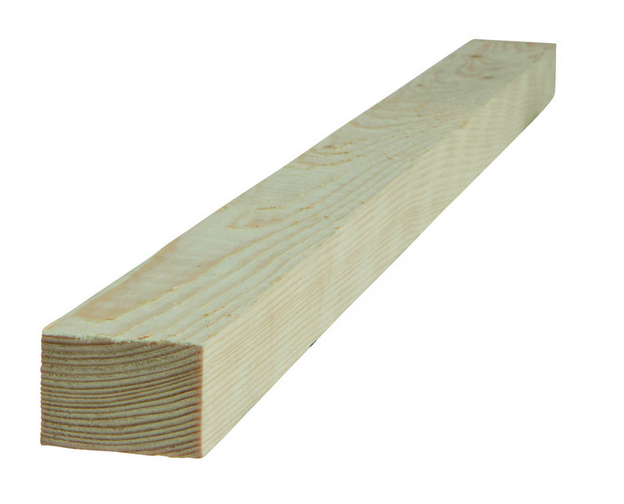
A product line for joinery, component manufacturing and precision-oriented production where the material is intended for the further making of parts, elements and finished products with a higher degree of dimensional and processing control. This line is defined by dimensional accuracy, surface quality, controlled moisture condition and suitability for further mechanical processing. It typically includes calibrated boards, battens, scantlings, joinery blanks and other more prepared timber formats, including planed products and material intended for joinery, component manufacturing and precision processing.
Finishing Products
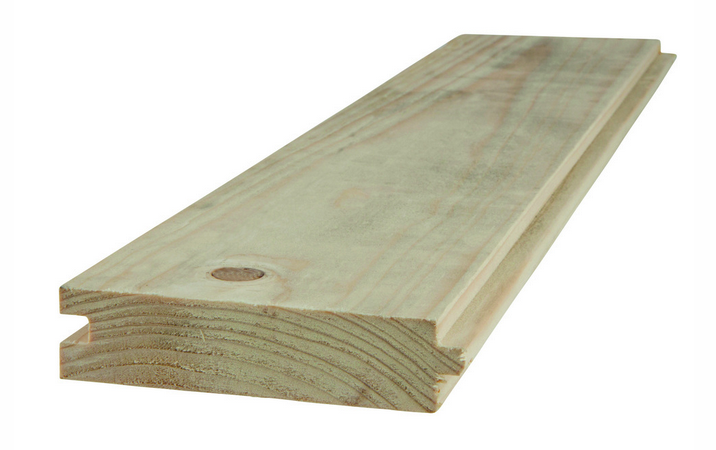
A product line for visible, finish-oriented and appearance-sensitive applications where the material is used in contexts that require visual consistency, clean processing and readiness for final installation or finishing. This line is defined by surface quality, processing neatness, visual uniformity, profile accuracy and compatibility with further finishing operations. It typically includes planed boards, battens, profiled elements, cladding-related forms and other more processed timber products intended for interior, visible and appearance-sensitive uses.
Packaging Products
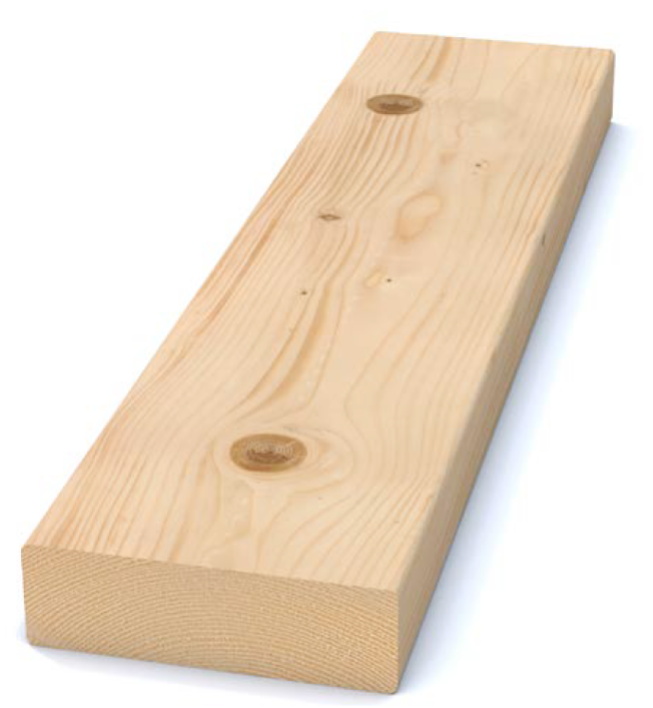
A product line for packaging, transport, warehousing and industrial applications where the material serves as a functional element within packaging systems, transport structures or supporting industrial use. This line is defined by functionality, series applicability, supply consistency and suitability for the practical demands of the intended use. It typically includes boards, small beams, industrial sections, packaging blanks, elements for pallet and packaging use and other timber products supplied in sawn-edged or basic processed form depending on the application.
Processing Stock
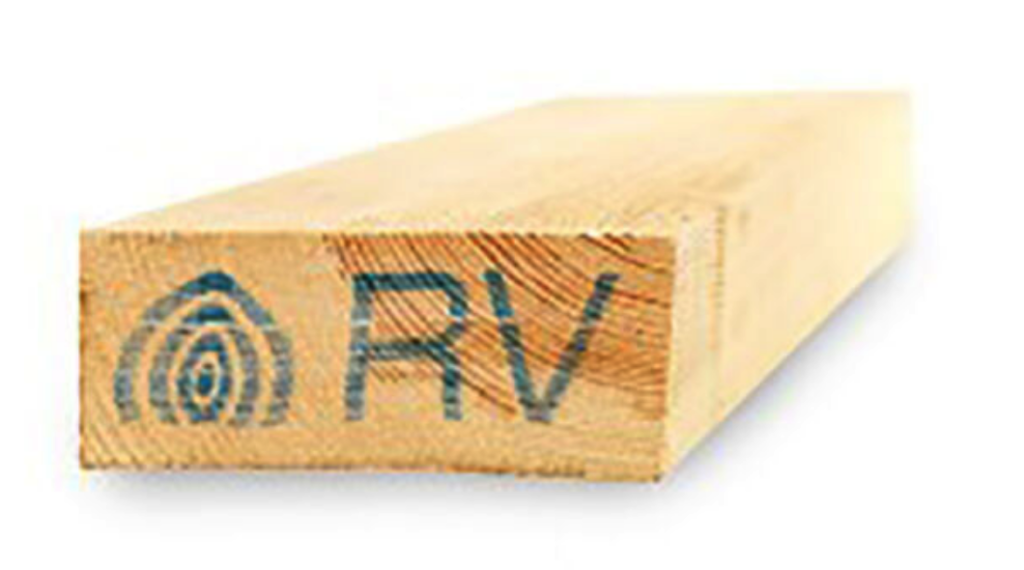
A product line for material supplied for further processing on the customer side, where the product is positioned not as a final market solution, but as an input material for the next production stage. This line is defined by controlled starting configuration, suitability for subsequent processing and compatibility with downstream processing requirements. It typically includes boards, small sections, lamella-type or component blanks, semi-processed profiles and other timber forms supplied in rough-sawn, calibrated or pre-processed condition for further conversion within the customer’s own production flow.

Product Programs
Norguang structures its offer not only through functional product lines, but also through product programs — ready supply frameworks that help buyers identify the format best suited to their business model, type of demand and downstream use.
Each program brings together products, specification logic and supply structure around a defined buying scenario. For some customers, the priority is structural predictability and repeatable supply for load-relevant applications. For others, it is a standard construction assortment that is easy to source, stock, resell and move into broad market circulation. For others, it is material that must perform reliably in component manufacturing, finishing applications, packaging operations or further processing on the customer side.
This approach allows Norguang to present timber not only as a technically defined product, but also as a market-ready supply proposition. As a result, buyers see not just a list of timber products, but a set of programs in which they can more easily recognize their own sourcing logic, commercial model and supply requirements.
Structural Framing Program
Designed for buyers serving load-bearing, framing and other structurally relevant applications, this program supports demand where timber must perform predictably in structural use and maintain consistent parameters from one shipment to the next. It is well suited to traders, project suppliers, manufacturers of structural solutions and processors using timber for framing systems, structural assemblies, gluing flows or further conversion into load-relevant elements.
For this segment, the priority is not simply access to timber, but confidence that supply will meet structurally oriented market expectations in terms of geometry, grading logic, strength-relevant performance and repeatable supply discipline. Structural Framing Program is built for buyers whose timber purchasing decisions are tied to more demanding construction, production or resale environments where material performance directly affects downstream use.
General Construction Program
Designed for buyers who need a reliable and straightforward supply format for a broad range of building, utility and general-purpose applications, this program is especially suited to trading companies, regional distributors, importers of construction assortments, building supply merchants and buyers serving practical construction demand. It supports regular sourcing, manageable stockholding, confident resale and broad applicability across standard building scenarios.
At the center of this program is practical market usability. Buyers choose it when they need not a narrowly specialized timber solution, but a stable construction assortment with predictable applicability, repeatable dimensions and a commercially workable supply logic. It fits customers who need to align supply quickly with typical construction demand and who value material that is easy to place, easy to move and broadly accepted across everyday building markets.
Joinery and Components Program
Designed for buyers who use timber as the basis for further production of parts, components and finished items, this program serves operations where the quality of incoming material directly affects manufacturing consistency. It is suited to joinery workshops, small and mid-sized factories, component manufacturers, remanufacturers and buyers running machining, cutting, shaping, gluing or assembly operations.
For this segment, it is not enough for timber to match the specification on paper. It must also perform reliably in the workshop, in processing and throughout the downstream production flow. Joinery and Components Program is therefore built around dimensional control, controlled moisture condition, surface suitability and machinability. It is designed for customers who buy timber not simply as a commodity, but as a production input that must convert efficiently into parts, component sets, joinery products and other precision-oriented outputs.
Finishing Program
Designed for buyers working with visible-use and finish-oriented applications, this program serves demand where the commercial value of the product depends not only on basic material suitability, but also on how it presents visually, how it performs in installation and how confidently it can be brought into the final application. It is suited to importers of finishing solutions, distributors of finishing materials, contractors, resellers and buyers supplying interior or exterior finish-related demand.
This program is chosen when material must be accepted not only by dimension and function, but also by surface quality, profile consistency, visual uniformity and overall presentation value. For buyers in this segment, it matters that the product can be supplied confidently into appearance-sensitive market environments and offered to customers whose expectations are shaped as much by finish quality and installation readiness as by basic technical fit.
Packaging and Industrial Program
Designed for buyers who need a functional, clear and repeatable timber supply format for packaging, transport, warehousing and other industrial uses, this program is suited to pallet manufacturers, crate producers, industrial packaging buyers, logistics support suppliers, utility-driven distributors and customers purchasing timber for operational use rather than appearance-driven applications.
In this program, buyers recognize a supply model built around practical function. The value of the material lies not in decorative qualities or finish-related presentation, but in format efficiency, utility relevance, supply stability and suitability for packaging, support, protection and industrial handling tasks. It is intended for customers who buy timber as a working material within the movement, storage, protection or industrial support of goods.
Processing Stock Program
Designed for buyers who source timber not as a final market-ready product, but as input material for their own further processing, this program is suited to processing shops, remanufacturers, secondary processors, component plants and industrial buyers with their own machining, profiling, resizing, gluing, calibrating or conversion capabilities.
These customers are not looking for a finished product. They are looking for controlled timber input that can be integrated confidently into their own manufacturing logic and transformed into the next product stage. Processing Stock Program is therefore built for supply scenarios where controlled starting geometry, suitability for further processing, predictability of incoming stock and compatibility with downstream conversion workflows matter most. It is the right program for buyers who want not a ready board for the market, but the right processing base from which to create their own product, component or production series.
Closing Integration
Through Product Programs, Norguang makes its product architecture commercially usable in sourcing, resale, processing and export supply. This helps different types of customers — from traders and distributors to manufacturers and processors — identify more quickly which supply proposition best fits their market, operating model and end-use objective.
This is why product programs in the Norguang structure serve as a practical market framework through which buyers can recognize their own business scenario and select the offer most suited to their commercial and production application.

Sub-Programs
Norguang can shape the same core program into different market-ready sub-programs through controlled adaptation to the specific market environment in which the product will be imported, distributed, sold, processed or used in downstream application. This adaptation covers market requirements for the product itself, applicable standards and quality conventions, channel-specific commercial conditions, logistics structures and market habits and customer behaviour. In this way, Norguang preserves the internal consistency of the program while adjusting its market execution to the practical realities of import, distribution, wholesale, project and processing supply chains.
Sub-programs allow the same core offer to be configured more precisely for the way business is actually done in a given market. They help align product presentation, processing level, quality emphasis and supply structure with the expectations of importers, distributors, manufacturers, processors, project buyers and other customer groups operating in different commercial environments.
This makes the product architecture more responsive without weakening its internal discipline. A product program remains consistent in its core logic, while its sub-program structure allows it to be deployed in forms that fit specific market pathways, customer expectations and supply realities.
By Market
Market-based sub-programs adapt a core program to the expectations and operating conditions of a specific destination market. This may include adjustments in preferred lumber forms, dimensions, processing level, moisture condition, surface expectations, grading emphasis, documentation logic and market-facing presentation.
Such sub-programs are especially important where the same product category is accepted differently from one market to another. In these cases, Norguang does not change the core identity of the program, but configures its market execution in a way that fits local demand patterns, applicable standards and established buying behaviour.
By Sales Channel
Channel-based sub-programs adapt a program to the way the product is brought to market and sold through a particular commercial route. The same core program may need to function differently in direct import supply, distributor sales, project business, industrial resale, stock-based trade or repeat-volume channel distribution.
This layer helps Norguang configure the same offer according to the commercial logic of the channel. In some cases, the priority is fast turnover and stock suitability. In others, it is project fit, industrial consistency or a more structured contract supply format. The purpose is to match the offer not only to the product requirement, but also to the route through which the product reaches the buyer.
By Customer Type
Customer-type sub-programs adapt the program to the operating model of the buyer. A trader, importer, building materials distributor, manufacturer, processor or project buyer may all work with the same core program, but they do not evaluate or use it in the same way.
For this reason, Norguang can configure sub-programs around the commercial profile of the customer. A distributor may need a resale-oriented assortment with broad market acceptance. A manufacturer may require better control over incoming material for production stability. A processor may need conversion-ready stock that integrates smoothly into downstream operations. This allows the same product logic to be presented in a form that is more relevant to the buyer’s real business use.
By Processing Stage
Processing-stage sub-programs adapt the same program to different levels of material preparation depending on market demand and downstream use. This may include rough-sawn, basic processed, calibrated, planed, profiled or conversion-ready configurations.
This layer is important when the buyer does not simply choose by species or dimension, but by how far the material is prepared for the next commercial or production step. Some markets prefer more basic lumber supply for their own downstream conversion. Others require more processed wood products that are closer to installation, resale or component use. The sub-program structure allows Norguang to serve these different requirements without fragmenting the core program architecture.
By Supply Model
Supply-model sub-programs adapt a program to the rhythm and structure of delivery. The same core program may be organized as a repeat program, contract supply framework, scheduled export flow, assortment-based supply model or customer-specific batch.
This is particularly relevant where the buying decision depends not only on the product itself, but also on the way supply is maintained over time. Some buyers need repeatability and long-term continuity. Others require flexible batch-based execution or tailored shipment logic linked to a specific commercial cycle. Through supply-model sub-programs, Norguang can align the product offer with the operational pattern of the business relationship.
Closing Integration
Through sub-programs, Norguang turns core product programs into market-ready supply structures that can operate effectively across different destinations, channels, customer profiles, processing requirements and delivery models. This gives buyers a clearer and more practical path from product interest to commercial fit.
As a result, the same core program can remain stable in its internal logic while being configured in ways that reflect how business is actually conducted in the target market. This allows Norguang to combine structural product discipline with a higher degree of commercial adaptability across international supply environments.

Market Segments
In the Norguang structure, market segments show where a product program is commercially positioned, which types of buyers typically operate within that segment and what kind of downstream use or end-user environment the material is expected to serve.
This creates a practical sequence between product architecture and market reality. A product line defines the functional logic of the material. A product program shapes that logic into a market-facing supply offer. A sub-program adapts the offer to a specific market, channel or customer profile. A market segment then shows the commercial environment in which that offer is expected to work, the type of buyer most likely to source it and the type of end use it is intended to support.
In this way, market segments help Norguang connect product definition with real buying pathways. They make it easier to understand not only what the product is, but where it fits commercially, who is likely to move it through the supply chain and how it reaches its practical application.
Structural and Framing Segment
This segment is relevant where the market expects material suitable for framing, load-bearing and other structurally relevant applications. It is typically served by structural timber traders, project suppliers, manufacturers of framing or structural systems and buyers sourcing lumber for conversion into load-relevant assemblies or glued structural elements. Downstream, the material is expected to support framing systems, structural components and other applications where dimensional predictability, grading discipline and strength-relevant performance matter.
General Construction Segment
This segment is relevant where the market needs standard building lumber for broad construction, utility and everyday practical use. It is typically served by importers, distributors, builders’ merchants, stockholding traders and other buyers who need material that is easy to source, stock, resell and distribute across a wide customer base. Downstream, the product supports general building activity, routine construction demand and a broad range of standard applications where market acceptance depends on usability, availability and commercial familiarity.
Joinery and Components Segment
This segment is relevant where the market values material not simply as lumber for resale, but as an input for controlled manufacturing. It is typically served by joinery workshops, component manufacturers, remanufacturers and production buyers running machining, shaping, cutting, gluing or assembly operations. Downstream, the material is expected to go into parts, component sets, joinery products and other manufacturing flows where dimensional control, moisture discipline and machining suitability directly affect production performance.
Finishing and Appearance-Oriented Segment
This segment is relevant where the market buys wood products for visible use, finish-oriented installation and applications in which presentation affects acceptance. It is typically served by importers of finishing materials, distributors, contractors, retailers and professional buyers supplying interior or exterior finish-related demand. Downstream, the product is expected to support installations and end-user environments where surface quality, profile consistency, visual uniformity and installation readiness matter as much as basic technical fit.
Packaging and Industrial Utility Segment
This segment is relevant where the market values the product for practical use in packaging, transport, storage and industrial support functions. It is typically served by pallet manufacturers, crate producers, industrial distributors, logistics-related buyers and other customers sourcing lumber for utility-driven applications rather than appearance-led use. Downstream, the material is expected to support pallets, crates, protective structures, transport support systems and other industrial functions where practicality, repeatability and functional suitability are the main buying criteria.
Processing and Conversion Segment
This segment is relevant where the market buys material as a starting stock for further sizing, profiling, calibrating, machining, gluing or conversion into a new product stage. It is typically served by secondary processors, remanufacturers, industrial workshops, component plants and buyers with their own downstream conversion capability. Downstream, the material is expected to enter the customer’s own production environment as controlled stock rather than as a final-use market product, serving as the base for further transformation into components, processed wood products or customer-specific outputs.
Closing Integration
Through market segments, Norguang gives buyers a clearer view of where a supply program belongs in the market, who typically works with it and what kind of end-use environment it is meant to support. This makes the offer easier to read not only from the perspective of product type, but also from the perspective of market movement, buyer recognition and downstream relevance.
As a result, market segments help turn product architecture into a more practical commercial map — one that links product logic, buyer profile and end-user application in a way that is clearer for sourcing, resale, processing and export supply.

Quality and Regulatory Attributes
In the Norguang structure, quality and regulatory attributes are used not only to describe product condition, but also to establish different quality levels aligned with specific market expectations, buyer requirements and downstream use environments. This allows product programs and market segments to operate with a clearer qualification logic across export supply, resale, industrial use and further processing.
To make this work in practice, Norguang applies a multi-level quality approach that connects product qualification with market relevance, application fit and processing suitability. Within this framework, four principal quality levels are used: Premium, Standard, Industrial and Technological. Each level represents a distinct mode of market qualification rather than a simple ranking of “better” or “worse.”
Premium Quality
Premium Quality is intended for environments where commercial value depends on a higher degree of selection, visual consistency, presentation quality and stronger acceptance criteria. It is especially relevant for appearance-sensitive applications, selected joinery uses, higher-value resale channels and finishing-related markets where product perception directly affects market acceptance.
At this level, the product is expected to demonstrate not only conformity to specification, but also a stronger degree of consistency in appearance, surface condition, dimensional perception and overall commercial presentation.
Standard Quality
Standard Quality is the main and most broadly usable quality level in the Norguang structure. It is intended for repeatable supply across standard construction, distribution and general-use environments where the market expects a commercially reliable and broadly acceptable product.
This level supports customers who do not require premium positioning, but who do require a dependable lumber offer with predictable usability, stable supply logic and strong day-to-day market applicability.
Industrial Quality
Industrial Quality is intended for environments where the product is evaluated primarily by functional suitability, operational practicality and industrial-use relevance. It is especially suited to packaging, transport, warehousing and other utility-driven applications where performance, format suitability and supply consistency matter more than visual presentation.
At this level, the material is positioned as a working industrial product designed to perform reliably in practical use scenarios.
Technological Quality
Technological Quality is intended for environments where the product is purchased not as a final market-facing item, but as a technologically suitable base for further processing. This level is especially relevant for remanufacturers, processors, component plants and other buyers using wood products as controlled input for machining, profiling, calibrating, gluing, shaping or further conversion.
Its value lies not in ready-market presentation, but in processing suitability, input consistency and compatibility with downstream manufacturing workflows. At this level, the product is qualified as a stable technological base for the next production stage.

Quality Control Tools in the European Manufacturing Framework
To support these quality levels in practice, Norguang applies a set of quality control tools aligned with the European manufacturing and market-access framework. These tools are used not merely for internal inspection, but to establish documented product consistency, traceability, declared performance and market readiness across different product programs and export pathways.
Factory Production Control
At the manufacturing level, the core control instrument is factory production control. Under the EU Construction Products Regulation, factory production control is a central mechanism through which the manufacturer maintains constancy of performance. Depending on the applicable AVCP system, it may be combined with manufacturer testing and, in some systems, initial inspection and continuing surveillance by a notified body.
For Norguang, this means that quality is controlled not only at final release, but throughout the manufacturing flow: incoming raw material selection, dimensional control, moisture control, grading discipline, processing consistency, batch integrity and release verification.
Declared Performance and CE-Based Qualification
Where products fall within the scope of the EU Construction Products Regulation and a harmonised route applies, the manufacturer may qualify the product through a Declaration of Performance and CE marking. Under the CPR, CE marking is affixed to construction products for which the manufacturer has drawn up a Declaration of Performance, and by affixing it the manufacturer takes responsibility for conformity with the declared performance and with applicable Union requirements.
In practical terms, this gives Norguang a regulatory instrument for linking product identity, declared characteristics, applicable standard route and market-facing qualification in structural and other relevant construction supply scenarios.
Technical Documentation and Product Traceability
For products placed on the EU market more broadly, the European regulatory framework also relies on technical documentation, series-production conformity procedures and traceability elements. Under the General Product Safety Regulation, manufacturers must keep technical documentation up to date, maintain procedures so that products produced in series remain in conformity with the general safety requirement, ensure product identification by type, batch or serial reference and indicate the manufacturer’s name and contact details.
For Norguang, these tools support a documented chain between product code, production batch, declared quality level, release condition and downstream customer delivery.
Instructions, Safety Information and Market Communication
Where the product category and market context require it, the manufacturer must also ensure that the product is accompanied by clear instructions and safety information understandable in the relevant Member State. That requirement forms part of the General Product Safety Regulation framework for products within its scope.
In the Norguang structure, this becomes part of market-facing quality control: the product must not only be manufactured correctly, but also be accompanied by the right commercial and technical communication for the market in which it is supplied.
Due Diligence for Wood Origin and Supply-Chain Legality
For wood and relevant derived products entering the EU market under the EU Deforestation Regulation framework, another control instrument is the due diligence system. Under EUDR, operators must exercise due diligence before placing relevant products on the market or exporting them. That due diligence includes information collection, risk assessment and risk mitigation.
According to the European Commission’s official implementation timeline, the regulation will apply from 30 December 2026 for large and medium operators, from 30 June 2027 for micro and small operators and from 30 December 2026 for micro and small operators already covered by the former EUTR.
For Norguang, this means that quality control within the export architecture includes not only the parameters of the product itself, but also a demonstrable system for origin control, supply-chain traceability and risk-based legality screening where applicable.
Closing Integration
Through this combined system, Norguang links quality levels with practical control instruments. Premium, Standard, Industrial and Technological quality levels define the market position of the product, while factory production control, declared performance, technical documentation, traceability, market communication and due diligence provide the operational means to verify, maintain and demonstrate that position.
As a result, quality in the Norguang structure is presented not only as a product attribute, but as a controlled and documented condition of market acceptance, manufacturing consistency and export readiness.
Processing Types
In the Norguang structure, processing types show the state of preparation in which a product enters the market and the form in which it is most suitable for resale, further processing, installation or industrial use. They define not only how the material has been processed, but also its practical suitability for specific customer groups, production environments and downstream product paths.
For this reason, processing type is treated in Norguang as part of product architecture rather than as a secondary technical detail. It affects how naturally the product fits a given program, which market segments it serves most effectively, what level of quality expectation applies and which categories of buyers typically work with it in that form.
Through processing types, Norguang helps buyers understand not only what the product is, but also how far it has already been prepared, who typically buys it in that condition and what kinds of products, components or applications it is best suited to support downstream.
Edged Lumber
Edged Lumber is supplied with defined longitudinal geometry and a standardized section, making it the preferred supply form where dimensional regularity, easier stock handling and commercially familiar presentation are important. This processing type is especially relevant in construction distribution, framing supply, general building trade, industrial applications requiring regular sections and downstream environments where controlled starting geometry improves usability.
It is particularly suitable for distributors, builders’ merchants, construction suppliers, remanufacturers and industrial buyers who need material that can move efficiently through stocking, resale or further processing without extensive correction of the basic section. It is also highly relevant for customers producing lamellas for glued structural timber, finger-joint elements, furniture components, decking profiles, cladding products, joinery blanks and selected flooring or panel components, where a regular starting format improves conversion efficiency and process stability.
In many standard building and resale-oriented markets, edged lumber is not only preferred, but often the expected format because it fits established handling, stocking and application practices. It becomes especially important where the buyer needs material that is easy to integrate into repeat supply, repeat processing or repeat downstream production.
Unedged Lumber
Unedged Lumber is supplied in a less finalized side geometry, making it suitable for buyers and markets that can work with a more basic lumber form and carry out their own further conversion. This processing type is commercially relevant where yield logic, material recovery, cutting freedom or cost positioning may matter more than ready-market presentation.
It is particularly suitable for primary processors, sawmill-linked operations, remanufacturers, industrial converters and other buyers who intend to resaw, optimize, edge, rip or otherwise process the material according to their own production logic. In such environments, the value of the material lies less in standardized presentation and more in its conversion potential.
This form may also be workable for customers producing their own component stock, lamella raw material, finger-joint input, furniture parts, flooring elements or other secondary wood products where the final usable section will in any case be created during downstream processing. In these cases, unedged lumber remains economically and technologically relevant because the buyer does not need a more finished section at the point of purchase.
Calibrated
Calibrated products are supplied with a more controlled dimensional state, making them suitable where basic sawn geometry is not sufficient and a higher level of size consistency is required before the next production or assembly step. This processing type is especially relevant where dimensional discipline improves machining accuracy, fitting consistency or repeatability in manufacturing.
It is well suited to joinery workshops, furniture manufacturers, component producers, engineered wood processors, flooring producers and customers working with more controlled assembly or machining flows. It may also be relevant where the buyer produces glued elements, finger-jointed stock, panel components, furniture parts or interior components and needs more predictable sizing before the next transformation step.
In such applications, calibration helps reduce variation in incoming material and supports more stable downstream conversion, which makes it commercially valuable not only as a technical condition, but as a production-efficiency advantage.
Planed
Planed products are supplied with an improved surface condition and a more finished form of preparation. This processing type is relevant where cleaner presentation, better handling and greater readiness for visible, controlled or higher-value downstream use are important.
It is especially suitable for joinery workshops, furniture manufacturers, interior component producers, finishing material distributors, decking suppliers, cladding-related buyers and other customers who require a more prepared wood product rather than a basic sawn lumber format. It is also relevant where the material will be used for further shaping into furniture parts, visible joinery elements, decking boards, interior linings or finish-oriented resale products.
Planed products are often chosen where the buyer wants a cleaner and more conversion-ready input, or where the market expects a more prepared presentation at the point of supply.
Profiled
Profiled products are supplied with an additional shaping logic that prepares the material for a more defined installation, assembly or visible-use function. This processing type is most relevant where the value of the product depends not only on the material itself, but on its fit with a specific downstream application.
It is especially suitable for producers and distributors of decking, cladding, lining, finishing materials, wall and ceiling elements, trim-related products and other application-defined wood products. It also fits customers serving installation-facing markets where profile accuracy, visual consistency and end-use suitability directly influence commercial acceptance.
In these environments, profiling is not just an added processing step. It is the form through which the product becomes commercially meaningful for the buyer and practically usable for the end-user environment.
Processing Stock
Processing Stock is supplied as a controlled but non-finalized material form intended for further processing by the buyer. In this case, the commercial value of the product lies not in ready-market presentation, but in its suitability as a stable base for machining, profiling, calibrating, gluing, resizing, ripping or conversion into the next product stage.
It is especially relevant for remanufacturers, glulam producers, finger-joint manufacturers, component plants, joinery factories, furniture producers, flooring manufacturers, decking and cladding processors and other buyers who use wood products as production input rather than as final-use market items. This format is particularly useful where the customer needs a reliable raw base for producing lamellas, bonded sections, jointed elements, furniture blanks, panel components, flooring parts or customer-specific processed products.
Processing Stock is the most natural supply form where the buyer’s own production environment creates the final commercial value. In such cases, the product is purchased not as a finished offer for immediate market presentation, but as a controlled starting material for transformation into a higher-value downstream output.
Closing Integration
Through processing types, Norguang shows buyers not only what the product is, but in what state of preparation it is supplied, who typically works with it in that form and what kind of downstream product path it is best suited to support. This makes the offer more understandable not only from the perspective of material description, but also from the perspective of industrial use, manufacturing logic and conversion potential.
As a result, processing types serve as a practical bridge between product architecture and the real condition in which the product enters resale, manufacturing, installation or further processing.
Strength Classes
In the Norguang structure, strength classes are applied where product qualification depends on structural performance, load relevance or other engineering-based application criteria. They are not treated as a universal layer across the entire offer, but as a specific qualification tool used where the intended use, market expectation or specification framework makes structural classification commercially and technically meaningful. This reflects the European framework itself: the harmonised route commonly associated with strength grading is centred on strength graded structural timber with rectangular cross section under EN 14081, which is a structural timber standard within the construction products framework.
This distinction matters in practice. European strength grading is primarily designed for structural use, framing environments and other applications where declared structural performance is relevant. At the same time, lumber of the same general quality or material capability may still be used in general construction, joinery, remanufacturing and other downstream applications without being placed on the market as strength graded structural timber. In those environments, buyers may rely more on dimensional suitability, machining behaviour, surface condition, process stability or commercial usability than on a formal strength class.
Strength Classes in Structural and Framing Environments
Strength classes are most directly relevant in structural and framing segments where the product is expected to function as part of a load-bearing or strength-sensitive system. This includes buyers serving framing supply, structural building markets, engineered timber applications and downstream manufacturing flows where material performance must support structural use rather than only general construction handling.
For such customers, strength class relevance may be an essential part of product qualification because it influences how the material is specified, accepted and integrated into structural design, construction or further structural conversion. In these environments, formal structural grading supports a clearer link between lumber supply, declared performance and market acceptance within the construction products regime. Under the EU Construction Products Regulation, CE marking is tied to a Declaration of Performance where a harmonised route applies, and that is the regulatory context in which structural qualification becomes especially important.
Strength Classes in Selected Construction Use
In broader construction environments, strength classes may remain relevant where the market, project format or buyer requirement calls for a more clearly qualified structural basis. This may apply to distributors serving specification-sensitive construction channels, project buyers sourcing for defined building use or manufacturers converting lumber into applications where structural discipline adds value even if the product is not sold exclusively as a structural item.
At the same time, much of general construction trade works with lumber that is commercially suitable for building use without necessarily being marketed through a formal structural strength class. In such cases, the product may still be fully workable for construction purposes, but its market value is shaped more by usability, dimensions, processing state and supply consistency than by structural grading status. The key distinction is whether the application calls for formally qualified structural performance, not whether the lumber is generally fit for practical building use.
Strength Relevance in Further Processing
Strength classes may also matter in downstream processing environments where the customer uses lumber as input for glued structural elements, finger-jointed structural stock, framing components or other products in which the structural role becomes more explicit after further conversion. In such cases, the relevance of strength classification lies not only in the supplied product itself, but in its suitability for the structural purpose achieved in the next production stage.
This is especially important for buyers producing lamellas for glued structural timber, manufacturers of structural finger-jointed elements and processors supplying engineered timber flows where the downstream product enters a structural application environment. There, strength relevance may become a necessary part of input selection even when the immediate supplied form is only one step in a longer manufacturing chain.
Where Strength Class Is Not the Primary Driver
In joinery, furniture production, finishing materials, flooring, interior components, packaging, industrial utility use and many processing-stock environments, strength class is usually not the main factor by which the product is valued in the market. In these segments, buyers are more often guided by dimensional control, surface condition, machinability, conversion suitability, appearance, process stability or practical functionality.
This does not mean that material quality is of lesser importance. It means that European structural strength classification is applied where structural qualification is required, while a wide range of non-structural uses can successfully work with lumber that is commercially and technically suitable for the intended application without carrying a formal strength grade. That distinction allows Norguang to keep structural classification meaningful where it is needed and avoid imposing it where other product attributes define value more directly.
Closing Integration
Through this approach, Norguang applies strength classes where they create real market and application value, especially in structural, framing and specification-sensitive environments, while allowing other product lines and programs to be qualified by the attributes that matter more directly to their own downstream use.
As a result, strength classification becomes a focused and commercially meaningful layer within the broader product architecture. It helps connect structural relevance with supply clarity, buyer expectations and downstream application logic without overstating its role in non-structural markets.
Quality Control
In the Norguang structure, quality control operates as a continuous operational layer that supports the integrity of the entire product architecture. It is not limited to the final inspection of outgoing material, but is used to verify that products remain aligned with their coding logic, processing condition, quality level, program fit and market-facing release requirements throughout the production and supply sequence.
This quality control system is built not only on general product verification principles, but also on the Norguang internal standards framework, which establishes the working procedures by which a customer requirement is translated into controlled manufacturing execution. It is this internal standards framework that defines how a requirement is classified, coded, transmitted to production, verified, confirmed and released as a specific batch of product.
From Customer Requirement to Coded Production Formula
Quality control in the Norguang system begins not at dispatch, but at the moment the customer requirement enters the system. The customer defines the required standard, specification logic or expected product condition. That requirement is then aligned with accepted classification logic, the internal Norguang product architecture and the applicable working product attributes.
Once aligned, the requirement is coded within the system and converted into a defined order formula for a specific production batch. This formula becomes the operative production instruction according to which the product is manufactured, processed, sorted, assembled and released. From the moment this coded production formula is transmitted to the manufacturer, quality control begins across all key stages of production.
Internal Standards as the Operating Basis of Quality Control
The Norguang internal standards framework serves as the operating basis of the entire quality control system. It defines not only what must be checked, but also how it must be checked, at which stage, against which coded requirement and in what form the result must be confirmed.
This means that quality control in Norguang is embedded in working procedures rather than applied as an external inspection layer. It covers product identity, dimensional expectations, processing condition, required quality level, release readiness and traceability discipline in a form that remains directly linked to the original coded order requirement.
Quality Control Across the Production Flow
Once the coded order formula has been issued to production, quality control follows the material through all key stages of manufacture. This includes sawing and the subsequent stages of preparation such as drying, planing, calibration and other required processing operations depending on the program, sub-program and intended downstream use.
Each significant stage of production is documented and confirmed. This allows Norguang not only to check the final result, but also to maintain product consistency throughout the full conversion flow from raw sawn material to the final released batch.
Verification at Key Processing Stages
In the Norguang system, quality control confirms conformity at every stage that affects the product’s market and production suitability. This includes, among other things:
- conformity of sawing to the coded product formula
- compliance with the required drying condition
- correctness of planing, calibration and other processing steps
- conformity of surface condition and geometry to the agreed requirement
- preservation of batch consistency
- conformity of release condition to the agreed supply terms
Through this approach, quality control functions not as a single release act, but as a staged verification logic tied to the actual production route of the batch.
Control Tools and Verification Methods
The quality control tools used by Norguang include machine-based, visual and technological verification methods, depending on the type of product, the program, the required quality level and the intended use.
These tools include:
- machine grading and machine sorting
- visual grading and visual sorting
- dimensional and condition checks
- analyses and measurement-based control
- technological methods for confirming processing condition
- batch verification procedures
- packing control
- loading verification before transport dispatch
The use of these tools allows Norguang to confirm that the product corresponds not only to its internal code and production formula, but also to the practical release expectations of the customer and the target market.
Verification of Product Identity and Program Fit
The quality control system also verifies that the manufactured material corresponds to the product that was coded, qualified and assigned to a particular product program or sub-program configuration. This is especially important in cases where the same broader material family may be used across different market-facing supply scenarios.
Control at this level helps preserve the connection between coded product definition, intended commercial role and actual supplied batch. In this way, the product retains not only its internal identity, but also its market credibility.
Verification of Quality Level and Release Condition
Quality control in Norguang also confirms the quality level under which the product is released, whether Premium, Standard, Industrial or Technological. This makes quality positioning real and verifiable rather than merely declarative.
At the same time, the system confirms the release condition of the batch before packing and dispatch. This is particularly important in export supply, where the buyer needs confidence not only in the nominal product specification, but also in the fact that the specific shipped batch has been actually checked, confirmed and prepared in accordance with the agreed order formula.
From Production Control to Marking, Shipment Integrity and Final Export Verification
Quality control in Norguang extends beyond production and processing into marking, packing, loading and final shipment release. This means that the integrity of the supplied batch is maintained not only at the level of product preparation, but also through the stages by which the batch is identified, marked, assembled for dispatch and verified for export release.
Marking forms part of this control logic because the product must remain identifiable as the coded and verified batch prepared under the agreed order formula. This helps preserve the link between product identity, batch integrity, release condition and shipment execution.
At the same time, shipment itself is treated as a final stage of quality control rather than as a purely logistical step. Before the product enters the export market, the batch undergoes final verification in its shipment condition, confirming that the supplied product corresponds to the agreed coded requirement, the confirmed production result and the release logic under which it is being delivered.
For the export buyer, this has direct practical significance. It confirms not only the quality of the material itself, but also the fact that the marked, packed and loaded batch has passed final control at the point where it enters export circulation and is formally transferred to the customer.
Buyer-Facing Value
From the buyer’s point of view, this system makes supply more predictable, the product promise more credible and the entire international export-import operation easier to manage in practical terms. Through coded order logic, documented production control, batch verification, marking, shipment-stage control and final export release, the buyer receives not just a shipment of goods, but a controlled and traceable supply process.
As a result, even a complex international transaction can operate for the buyer in a way that feels much closer to ordering a batch from a regional wholesale supplier with delivery to the warehouse. The complexity of production control, export preparation, shipment verification and release discipline remains within the Norguang system, rather than being shifted onto the customer.
Together with delivery, the buyer receives a full set of accompanying documentation providing traceability across the production and commercial cycle. This gives the customer not only the product itself, but also a documented chain linking the original requirement, coded order formula, production stages, verification procedures, shipment condition and final transfer of the batch.
For traders, processors, manufacturers, project buyers and other export customers, this creates a higher level of operational confidence. It supports repeatability, reduces uncertainty, improves planning reliability and allows the delivered batch to be received not as an opaque export consignment, but as a verified and commercially intelligible product supply.
Closing Integration
Through this system, Norguang turns quality control into a fully integrated operating discipline that connects customer requirement, accepted classification, coded order logic, production execution, documented verification, marking, shipment-stage control and final export release within one controlled supply model.
As a result, quality control in the Norguang structure is not limited to confirming product conformity at isolated checkpoints. It functions as the final integrative layer of the entire product architecture, ensuring that the product is not only correctly defined, commercially positioned and manufactured, but also continuously verified, documented, marked, packed, released and transferred to the customer under controlled export conditions.
This means that even a complex international export supply can be delivered to the buyer in a form that feels operationally closer to a warehouse delivery from a trusted regional wholesaler. The complexity of classification, coding, production control, shipment verification and export release remains within the Norguang system, while the customer receives a verified batch together with a full documentation package tracing the product through the production and commercial cycle.
In this way, Norguang makes product architecture commercially real: not only as a system of definitions and market positioning, but as a controlled and documented supply environment in which the promised product can be manufactured, verified and delivered with traceable integrity from order formula to final handover.